- Own production
- Clean ingredients
- GMP certified
- Made in Europe

Herbalson
Vitamin A 800 mcg Softgels
Vitamin A (retinyl palmitate) 800 mcg per softgel, one a day.
- Vitamin A contributes to the maintenance of normal vision
- Contributes to the maintenance of normal skin
- Supports normal function of the immune system
$6.90
Out of stock
Delivery in 5-10 days Tracked, worldwide14-day returns No questions askedPayment Visa, Mastercard, Amex
Frequently bought together
−10% for the set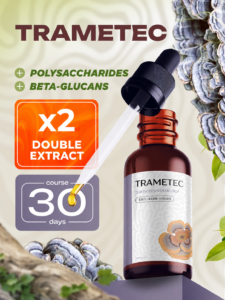
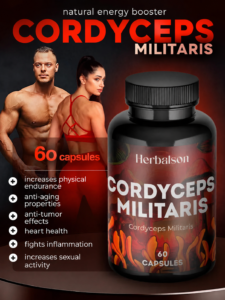
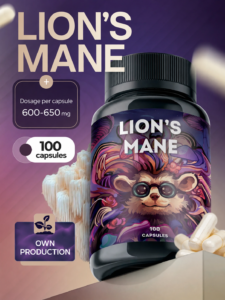 Lion’s Mane$28.90
Total for 3 items
$78.21$86.90
You save $8.69
Discount applies automatically in the cart
800 mcg
per serving
per serving
Softgel
1 softgel a day
3 months
supply
supply
HOW TO TAKE
Take 1 softgel a day with a meal.
SPECIFICATIONS
| Active ingredient | Vitamin A (retinyl palmitate) |
| Per serving | 800 mcg RAE |
| Form | Softgel |
| Quantity | 90 softgels |
| Serving | 1 softgel a day |
| Supply | 3 months |
| SKU | vitamin-a |
PRODUCT FAQ
Is it safe in pregnancy?
No. Avoid vitamin A supplements if you are pregnant or planning a pregnancy.
Can I take it with a multivitamin?
Check the multivitamin label first so you do not double up on vitamin A.
About this product
Vitamin A 800 mcg Softgels — full description
You might also like
Related products
Vitamin B Complex Tablets
All eight B vitamins in one daily tablet: B1, B2, B3, B5, B6, B12, biotin and folic acid.
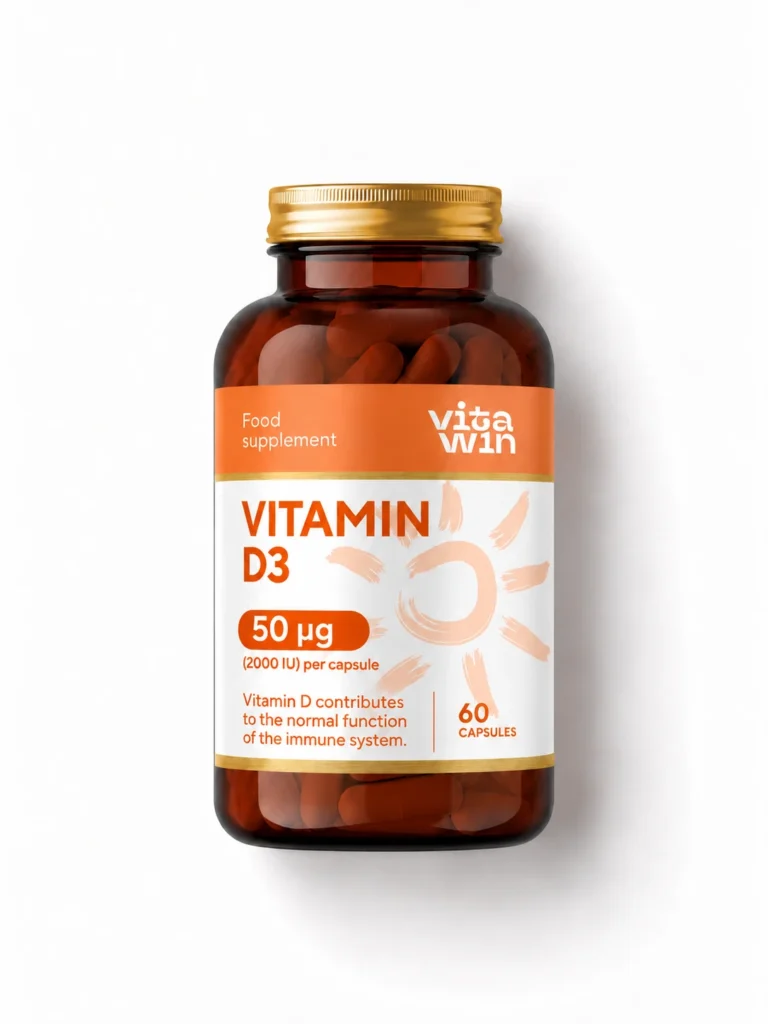
Vitamin D3 2000 IU Capsules
Vitamin D3 (cholecalciferol) 2000 IU (50 mcg) in an easy-to-swallow capsule. One a day, a two-month supply.
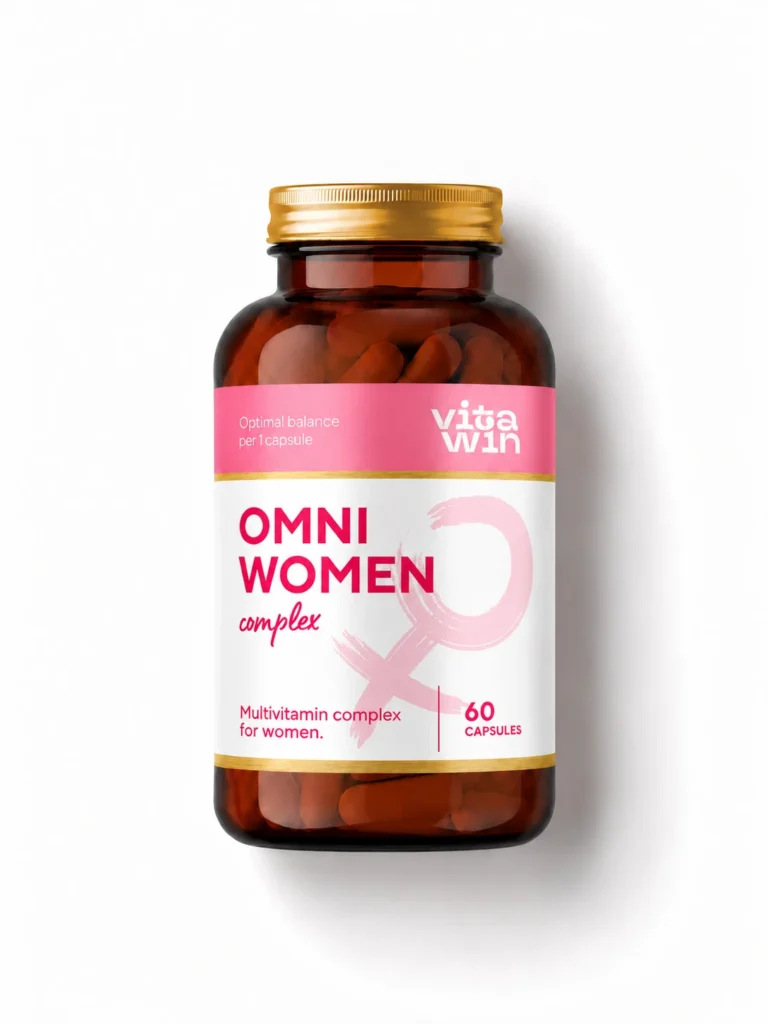
Multivitamin for Women Capsules
A daily multivitamin and mineral capsule formulated for women, with iron, folic acid and vitamin D3.
Vitamin K2 MK-7 100 mcg Tablets
Vitamin K2 as menaquinone-7 (MK-7), 100 mcg per tablet. A natural partner for vitamin D3.