- Own production
- Clean ingredients
- GMP certified
- Made in Europe
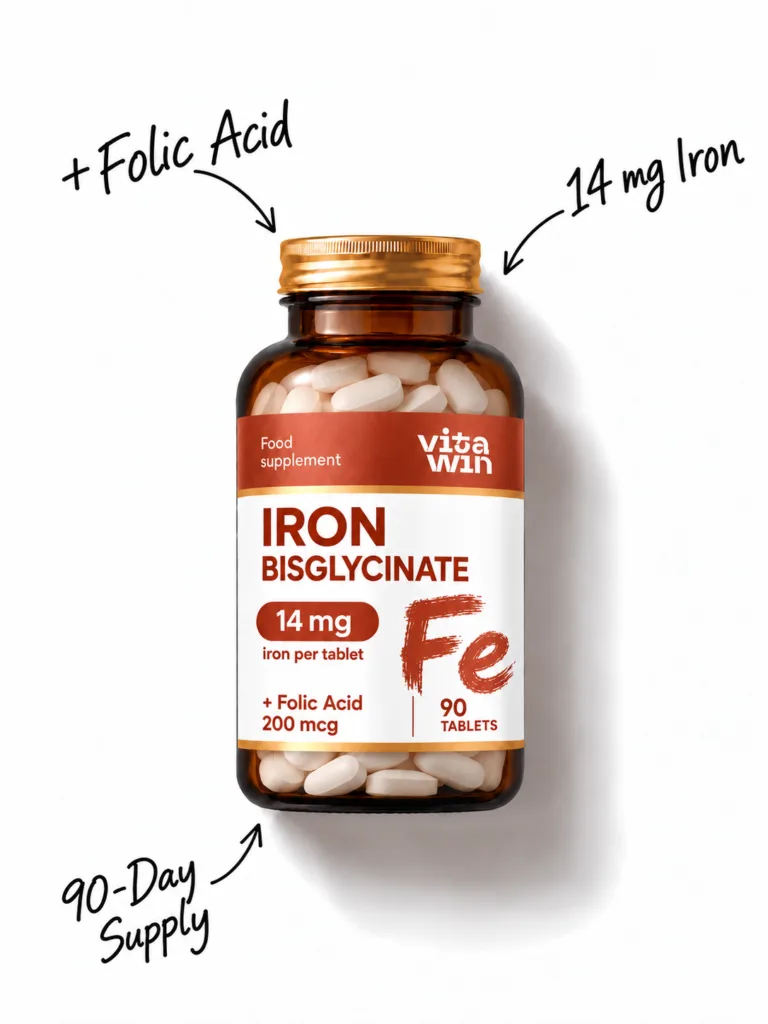
Iron Bisglycinate 14 mg + Folic Acid Tablets
Gentle iron bisglycinate (14 mg iron) with 200 mcg folic acid, one tablet a day.
- Iron contributes to the reduction of tiredness and fatigue
- Iron contributes to normal formation of red blood cells
- Folate contributes to normal blood formation
- Gentle chelated form
$6.90
1
Delivery in 5-10 days Tracked, worldwide14-day returns No questions askedPayment Visa, Mastercard, Amex
Frequently bought together
−10% for the set This itemIron Bisglycinate 14 mg + Folic Acid Tablets$6.90
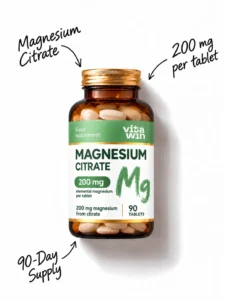
Total for 3 items
$26.81$29.79
You save $2.98
Discount applies automatically in the cart
Tablet
1 tablet a day
3 months
supply
supply
HOW TO TAKE
Take 1 tablet a day with water, ideally with a source of vitamin C. Avoid tea and coffee for an hour either side.
SPECIFICATIONS
| Active ingredients | Iron bisglycinate, folic acid |
| Per serving | 14 mg iron, 200 mcg folic acid |
| Form | Tablet |
| Quantity | 90 tablets |
| Serving | 1 tablet a day |
| Supply | 3 months |
| SKU | iron-bisglycinate-folic-acid |
PRODUCT FAQ
Why bisglycinate?
It is gentler on the stomach than common iron salts.
Should I take it with vitamin C?
Yes, vitamin C increases iron absorption.
About this product
Iron Bisglycinate 14 mg + Folic Acid Tablets — full description
You might also like
Related products
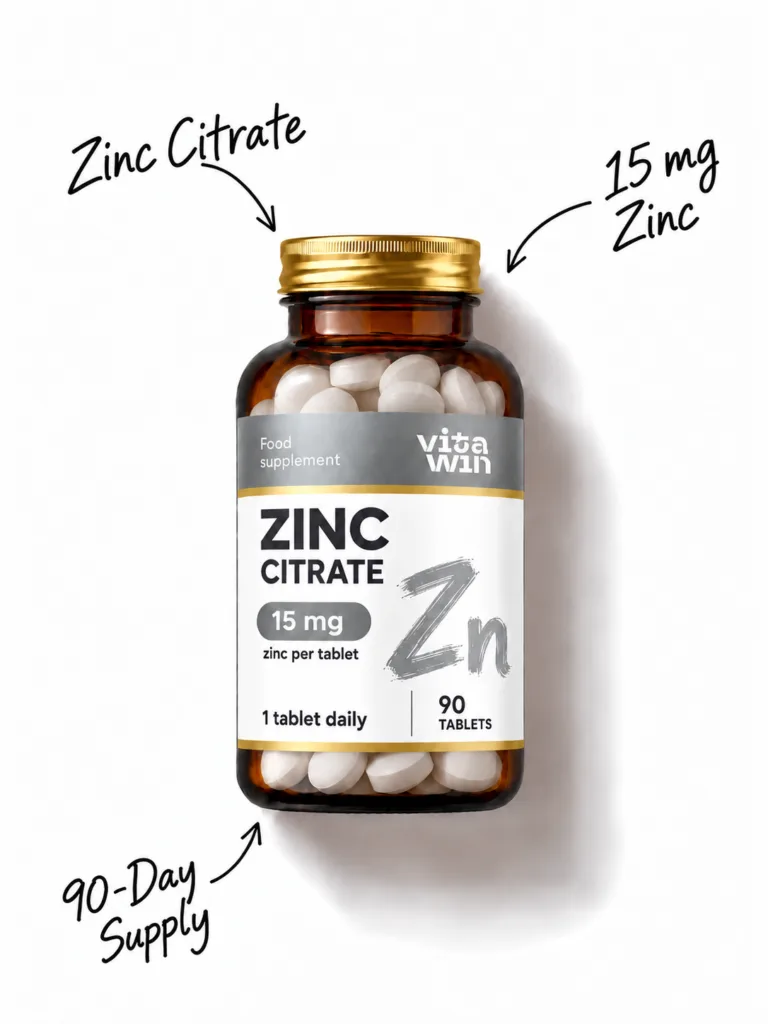
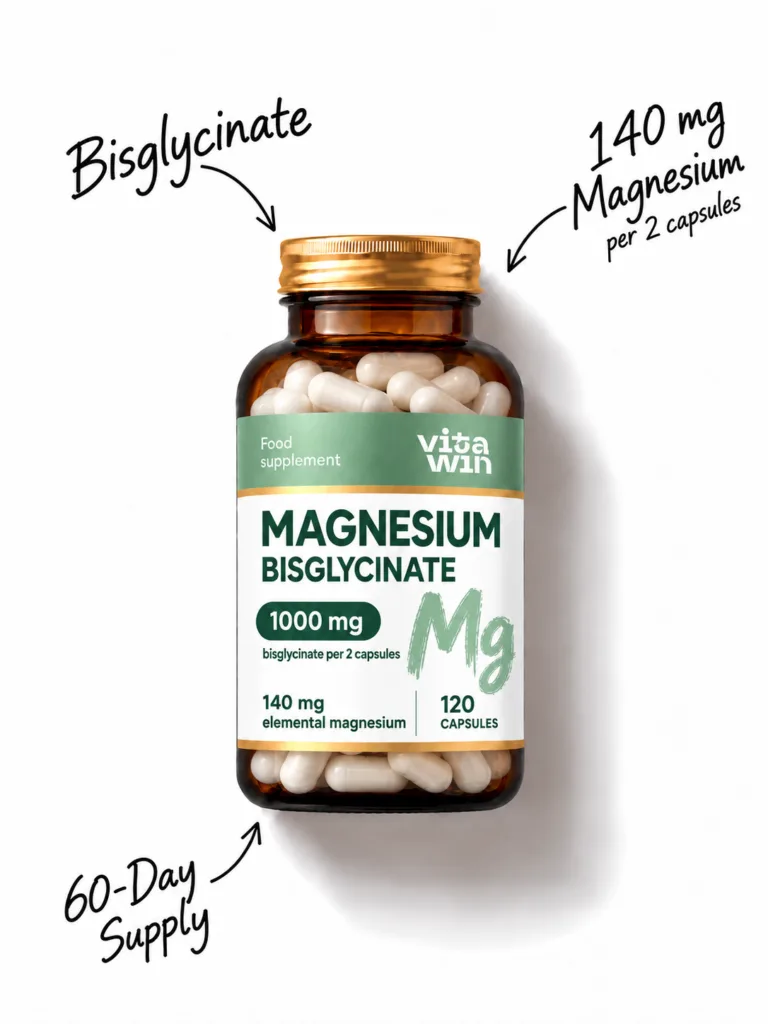
Magnesium Bisglycinate 1000 mg Capsules
Magnesium bisglycinate, 1000 mg per serving (140 mg elemental magnesium). A gentle, well-tolerated form for the evening.
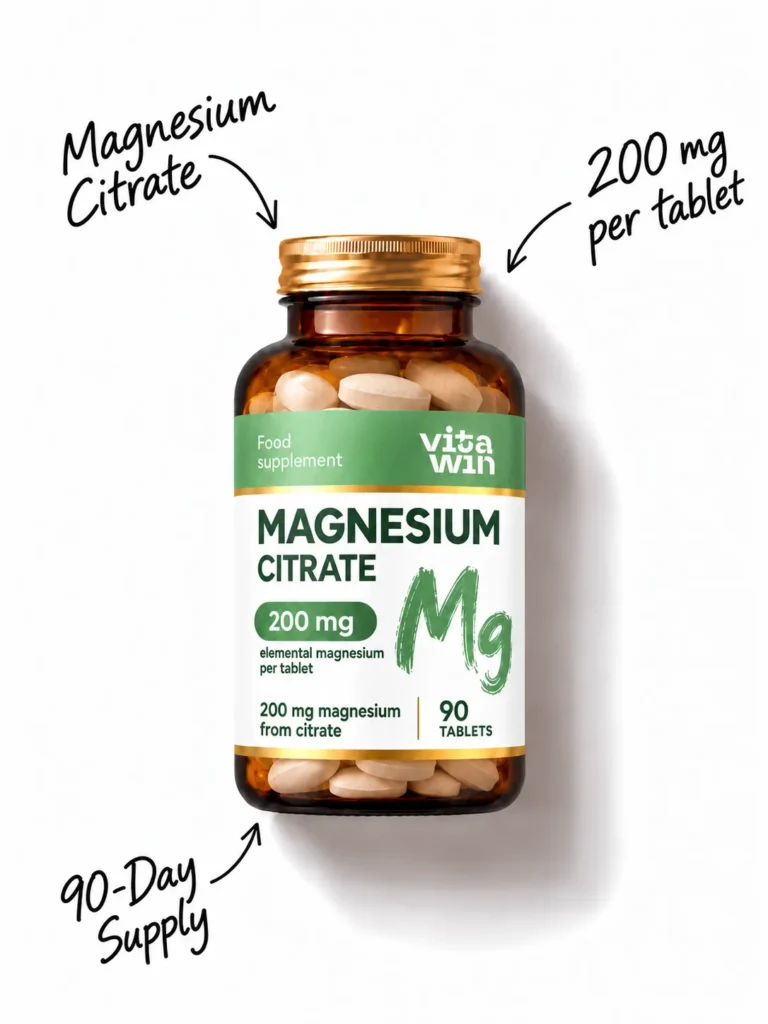
Magnesium Citrate 200 mg Tablets
Magnesium citrate providing 200 mg elemental magnesium per tablet. An affordable everyday magnesium.
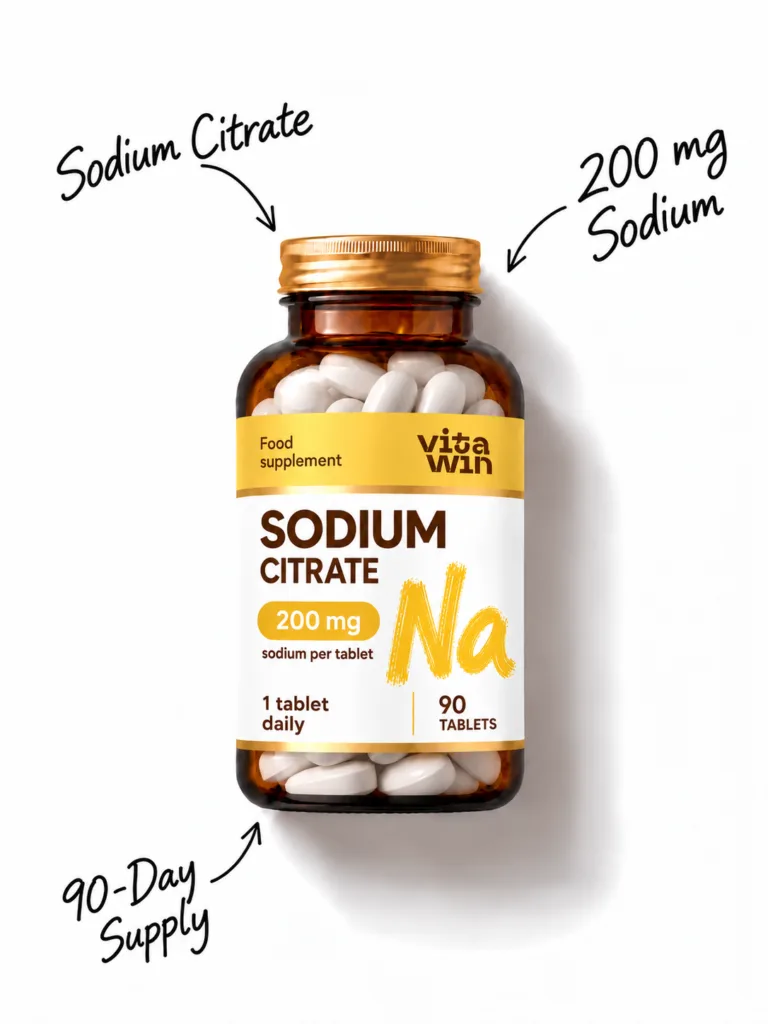
Sodium Citrate 200 mg — 90 Tablets
Sodium citrate 200 mg, an alkalising form of sodium, in a daily tablet. 90 tablets, a three-month supply.