- Own production
- Clean ingredients
- GMP certified
- Made in Europe
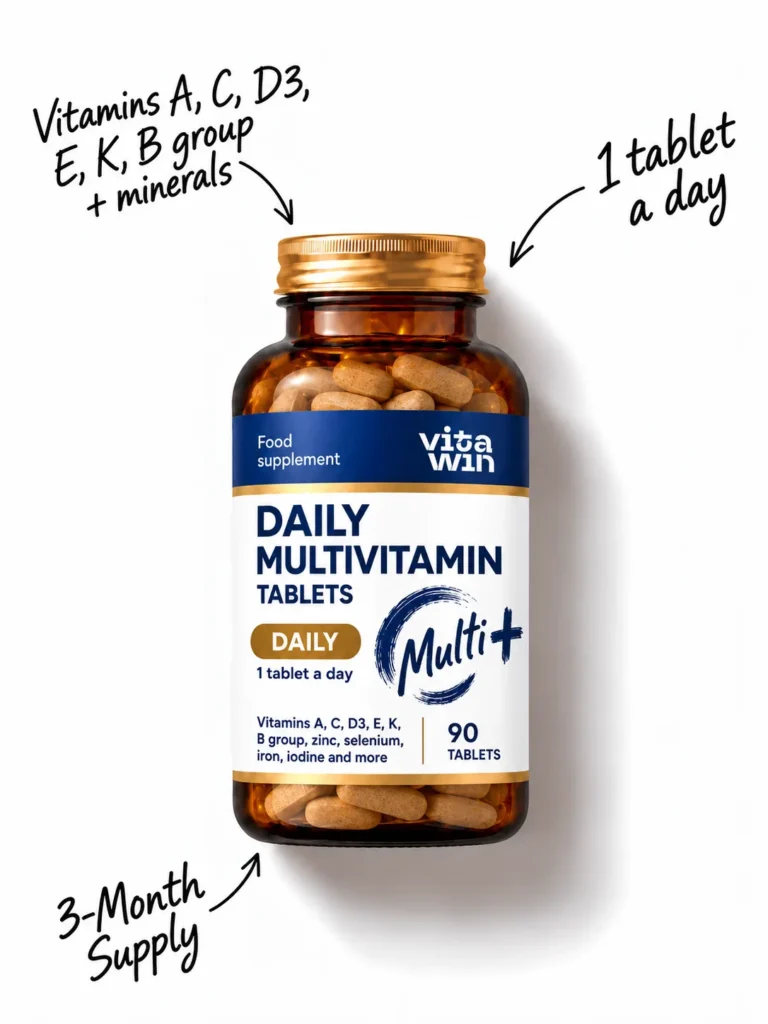
Daily Multivitamin Tablets
An A-to-Z daily multivitamin and mineral tablet for adults. One a day.
- Broad A-to-Z formula in one tablet
- Includes vitamin D3 and the full B group
- Helps fill everyday gaps in the diet
$6.90
1
Delivery in 5-10 days Tracked, worldwide14-day returns No questions askedPayment Visa, Mastercard, Amex
Frequently bought together
−10% for the set This itemDaily Multivitamin Tablets$6.90
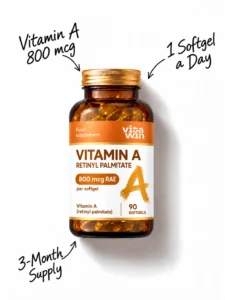
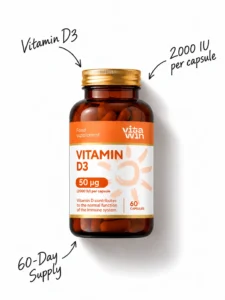
Total for 3 items
$29.51$32.79
You save $3.28
Discount applies automatically in the cart
Tablet
1 tablet a day
3 months
supply
supply
HOW TO TAKE
Take 1 tablet a day with breakfast.
SPECIFICATIONS
| Contains | Vitamins A, C, D3, E, K, B group, zinc, selenium, iron, iodine and more |
| Form | Tablet |
| Quantity | 90 tablets |
| Serving | 1 tablet a day |
| Supply | 3 months |
| SKU | daily-multivitamin |
PRODUCT FAQ
Can I take it with other vitamins?
Check the labels so you do not double up, especially on vitamins A and D and on iron.
Is it suitable for men and women?
Yes. We also offer separate formulas for men and for women.
About this product
Daily Multivitamin Tablets — full description
You might also like
Related products
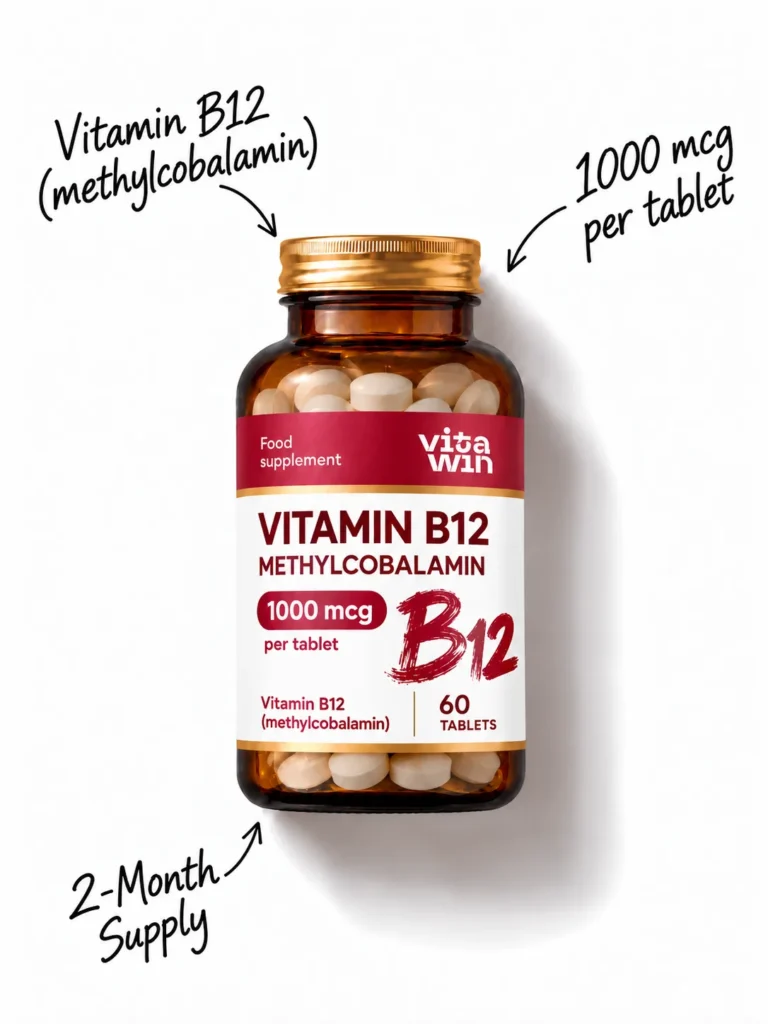
Vitamin B12 1000 mcg Tablets
Vitamin B12 as methylcobalamin, 1000 mcg per tablet. Especially useful on plant-based diets.
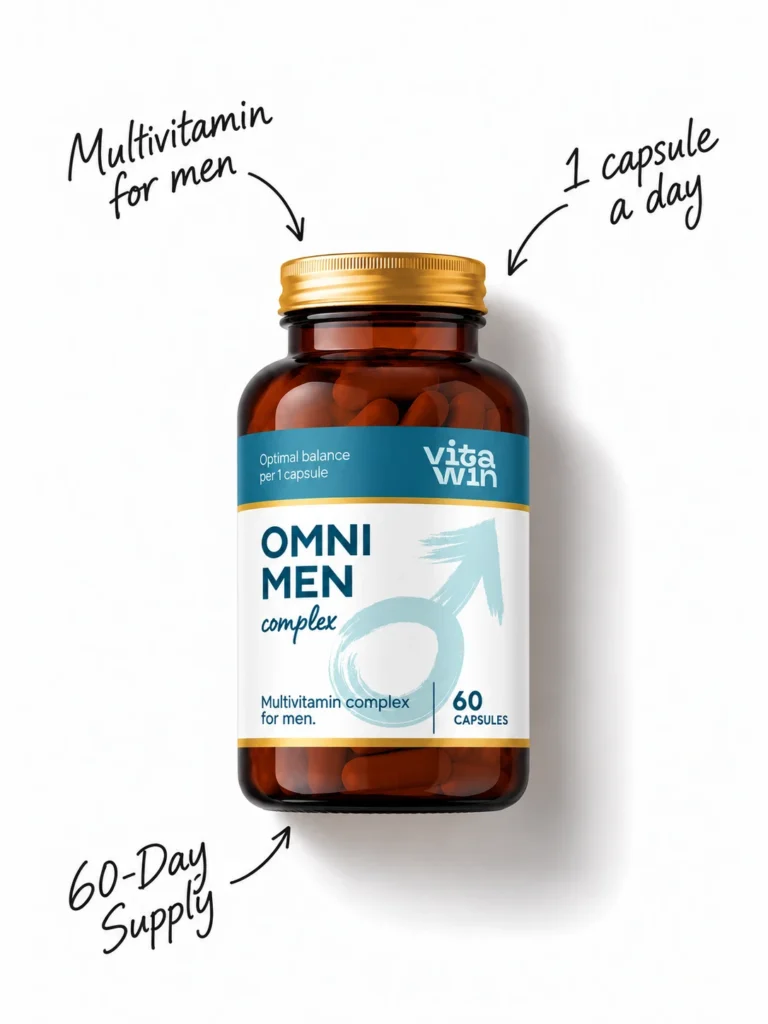
Multivitamin for Men Capsules
A daily multivitamin and mineral capsule formulated for men, iron-free, with zinc and selenium.
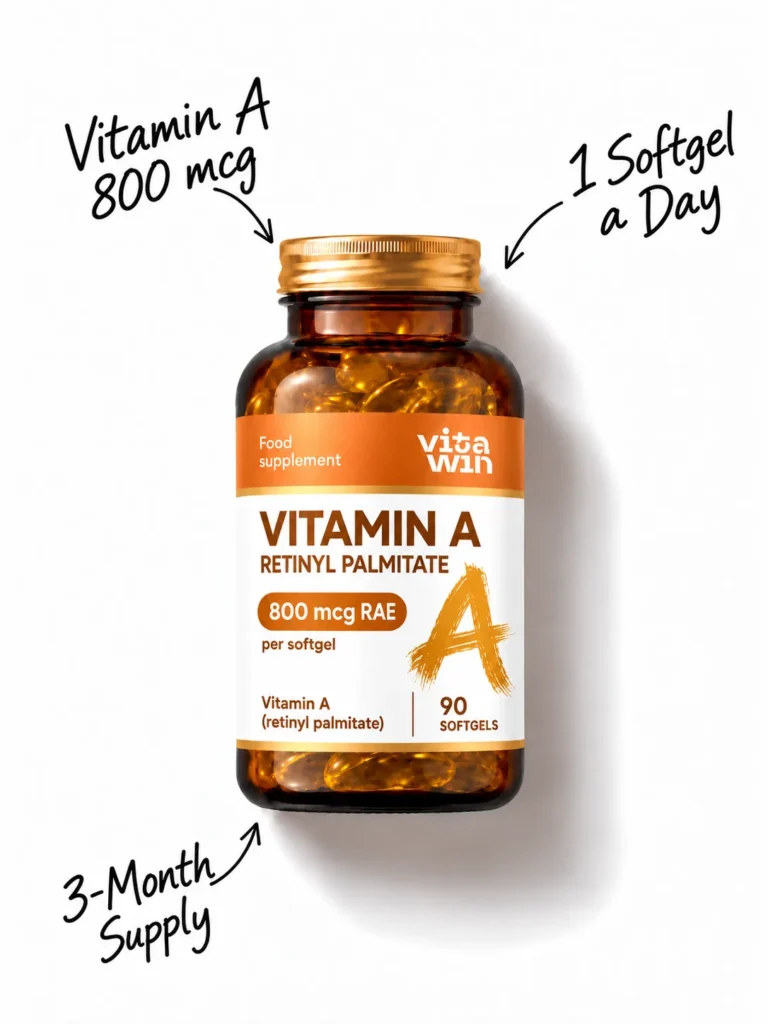
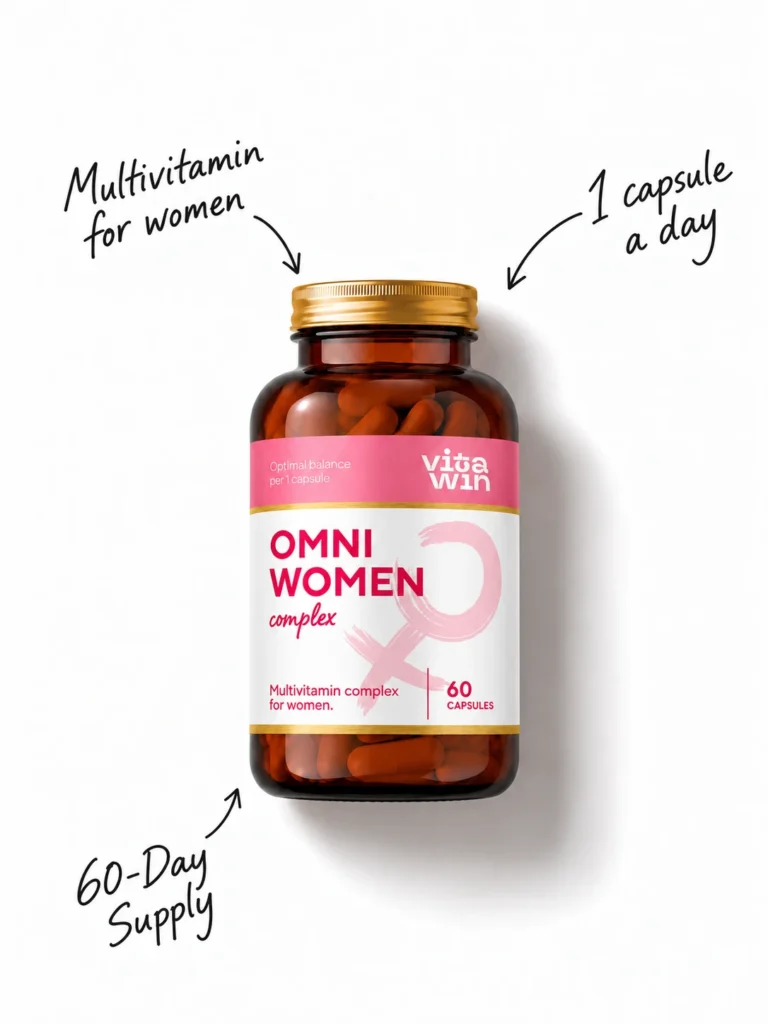
Multivitamin for Women Capsules
A daily multivitamin and mineral capsule formulated for women, with iron, folic acid and vitamin D3.