- Own production
- Clean ingredients
- GMP certified
- Made in Europe

Herbalson
Potassium 99 mg Tablets
Potassium citrate providing 99 mg elemental potassium per tablet.
- Potassium contributes to normal muscle function
- Supports normal functioning of the nervous system
- Contributes to the maintenance of normal blood pressure
$6.90
Out of stock
Delivery in 5-10 days Tracked, worldwide14-day returns No questions askedPayment Visa, Mastercard, Amex
Frequently bought together
−10% for the set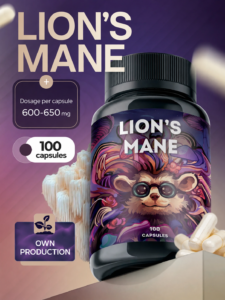
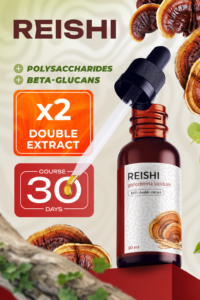
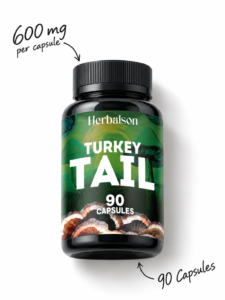
Total for 3 items
$72.81$80.90
You save $8.09
Discount applies automatically in the cart
99 mg
per serving
per serving
Tablet
1 tablet a day
3 months
supply
supply
HOW TO TAKE
Take 1 tablet a day with a meal and a full glass of water.
SPECIFICATIONS
| Active ingredient | Potassium citrate |
| Per serving | 99 mg elemental potassium |
| Form | Tablet |
| Quantity | 90 tablets |
| Serving | 1 tablet a day |
| Supply | 3 months |
| SKU | potassium |
PRODUCT FAQ
Why only 99 mg?
It is a top-up to potassium from food, which is the main source.
Who should avoid it?
People with kidney disease or on medicines that raise potassium, unless their doctor approves.
About this product
Potassium 99 mg Tablets — full description
You might also like
Related products
Magnesium Bisglycinate 1000 mg Capsules
Magnesium bisglycinate, 1000 mg per serving (140 mg elemental magnesium). A gentle, well-tolerated form for the evening.
Zinc + Magnesium + B6 Capsules
Zinc, magnesium and vitamin B6 in one evening capsule, popular with people who train.
Iron Bisglycinate 14 mg + Folic Acid Tablets
Gentle iron bisglycinate (14 mg iron) with 200 mcg folic acid, one tablet a day.