• Own production
  • Clean ingredients
  • GMP certified
  • Made in Europe
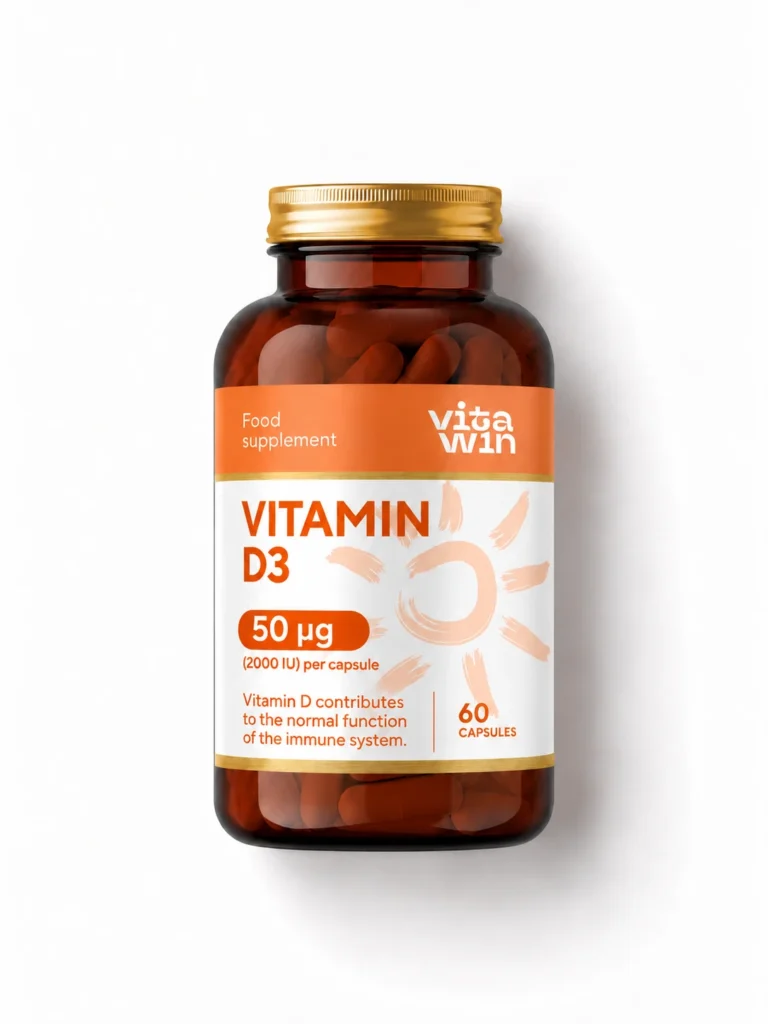
Vitamin D3 2000 IU (50 mcg), 60 capsules
Herbalson

Vitamin D3 2000 IU Capsules

Vitamin D3 (cholecalciferol) 2000 IU (50 mcg) in an easy-to-swallow capsule. One a day, a two-month supply.

  • Vitamin D contributes to the maintenance of normal bones and teeth
  • Supports normal function of the immune system
  • Supports normal muscle function
  • D3, the same form the body makes from sunlight
$18.99
Out of stock
Delivery in 5-10 days Tracked, worldwide14-day returns No questions askedPayment Visa, Mastercard, Amex

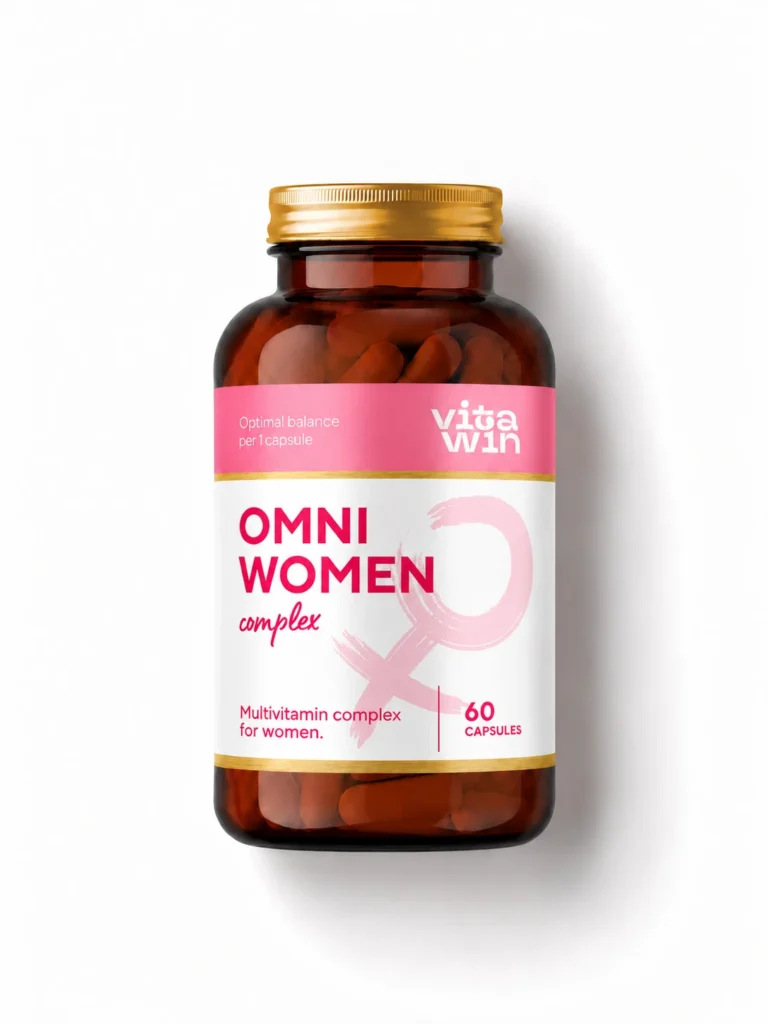
Frequently bought together

−10% for the set

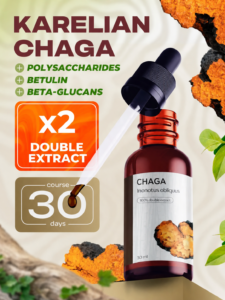
Total for 3 items
$71.10$79.00
You save $7.90
Discount applies automatically in the cart
2000 IU
per serving
Capsule
1 capsule a day
2 months
supply

HOW TO TAKE

Take 1 capsule a day with a meal that contains some fat: vitamin D is fat-soluble and is absorbed better that way.

SPECIFICATIONS

Active ingredient Vitamin D3 (cholecalciferol)
Per serving 2000 IU (50 mcg)
Form Capsule
Quantity 60 capsules
Serving 1 capsule a day
Supply 2 months
SKU vitamin-d3

PRODUCT FAQ

Why D3 and not D2?

D3 (cholecalciferol) is the form your skin produces from sunlight and is the form most commonly used in supplements.

Can I take it with vitamin K2?

Yes. D3 and K2 are often taken together; see our Vitamin K2 MK-7.

About this product

Vitamin D3 2000 IU Capsules — full description

Vitamin D3 2000 IU capsules deliver 50 mcg of cholecalciferol — the same form of vitamin D the skin makes from sunlight. One capsule a day, 60 capsules in a bottle, a two-month supply.

What vitamin D does in the body

Vitamin D behaves less like a vitamin and more like a signal. It tells the gut how much calcium and phosphorus to take up, and that calcium is what keeps bone mineral density stable. Vitamin D contributes to the normal absorption and utilisation of calcium and phosphorus, to the maintenance of normal bones and teeth, to normal muscle function and to the normal function of the immune system. Receptors for it sit on cells throughout the body, which is why a low level rarely shows up as one single symptom.

Why D3 (cholecalciferol) rather than D2

Two forms are sold as vitamin D. D2 (ergocalciferol) comes from yeast and fungi; D3 (cholecalciferol) is the form humans produce in the skin under UVB light. Dose for dose, D3 raises and holds blood 25(OH)D more effectively than D2, so every capsule here is D3.

Who tends to run low

Because the supply comes from the skin, it is seasonal: above roughly the 40th parallel there is too little UVB between October and March to make any vitamin D at all. Working indoors, covering the skin, darker skin tones, being over 65 or carrying more body fat all reduce how much ends up in circulation — vitamin D is fat-soluble and is stored in adipose tissue. 2000 IU a day is a maintenance dose that suits most adults and sits well inside the 100 mcg (4000 IU) upper intake level set by EFSA. We deliberately do not sell 5000 IU capsules: that dose is above the upper limit in most EU countries.

How to take vitamin D3 2000 IU capsules

One capsule a day with a meal that contains some fat. Vitamin D is fat-soluble and absorption is better with food than on an empty stomach. The time of day does not matter; consistency does, because blood levels build over weeks rather than days.

Two nutrients work alongside it. Vitamin K2 MK-7 helps direct the calcium that D3 makes available towards bone, and magnesium is needed by the enzymes that convert vitamin D into its active form — magnesium bisglycinate is the gentlest form for daily use. To have all three in one tablet instead, see Calcium + Magnesium + D3. The rest of the range is in vitamins.

What is in each capsule

  • Vitamin D3 (cholecalciferol) — 50 mcg (2000 IU), 1000% NRV
  • One capsule a day, with food
  • 60 capsules — a two-month supply

Questions people ask

Can I take vitamin D3 every day?

Yes. 2000 IU is a daily maintenance dose, not a loading dose, and it is intended for continuous use — particularly through autumn and winter.

Morning or evening?

Either, as long as it is with a meal. Most people find it easiest to attach the capsule to breakfast or lunch.

Is it still worth taking in summer?

If you spend most of the day indoors, use sun protection or live at a northern latitude, levels can stay flat even in July. Year-round use is the simpler approach.

Good to know. Do not exceed the recommended daily dose. Food supplements should not replace a varied, balanced diet and a healthy lifestyle. Talk to your doctor before use if you are pregnant, breastfeeding, taking medication or have a medical condition. Keep out of reach of children. Store in a cool, dry place away from direct sunlight.

These statements have not been evaluated by the Food and Drug Administration. This product is not intended to diagnose, treat, cure, or prevent any disease.

Testing & certification

Every batch is lab-tested. All documentation is available on request.

Certificate of Analysis

A per-batch CoA covering identity, actives and contaminants

Per batch

GMP manufacturing

Production follows Good Manufacturing Practice standards

ISO 22000

Third-party lab reports

Independent assays of every batch for beta-glucan and triterpene content

Accredited lab

Contaminant screening

Screened for heavy metals, pesticides and microbial contamination

Dietary supplement