- Own production
- Clean ingredients
- GMP certified
- Made in Europe
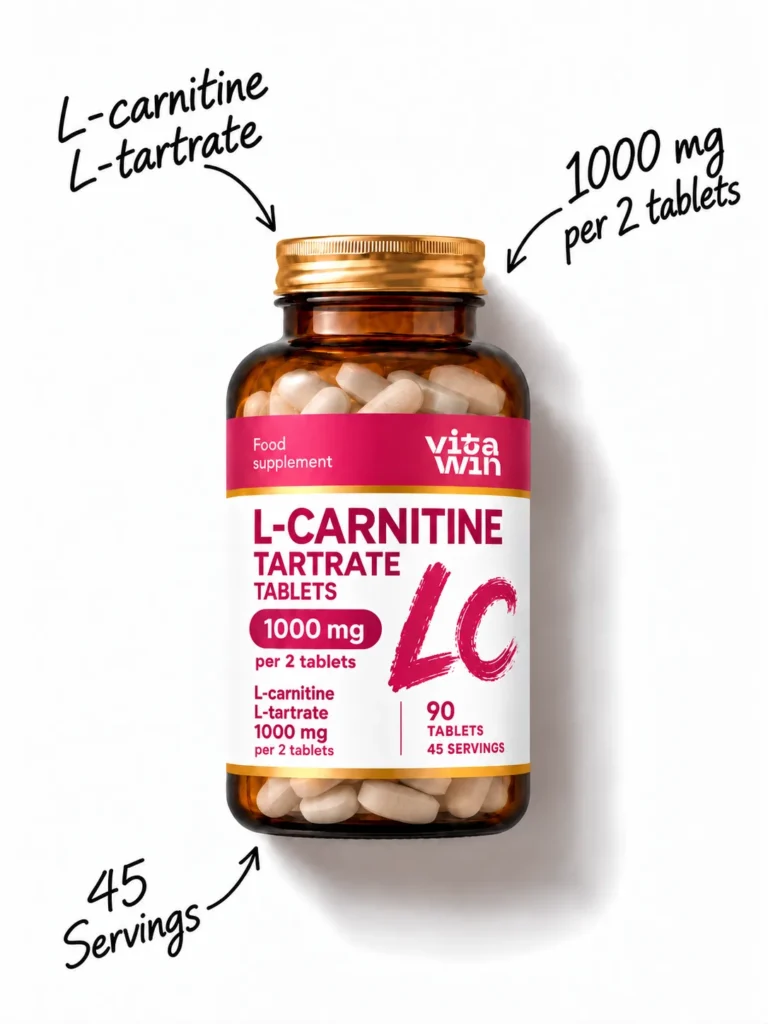
L-Carnitine Tartrate Tablets
L-carnitine L-tartrate, 1000 mg per serving, in easy tablets.
- L-tartrate form
- No mixing needed
- Popular with active people
$12.90
1
Delivery in 5-10 days Tracked, worldwide14-day returns No questions askedPayment Visa, Mastercard, Amex
Frequently bought together
−10% for the set This itemL-Carnitine Tartrate Tablets$12.90
Total for 3 items
$33.93$37.70
You save $3.77
Discount applies automatically in the cart
1000 mg
per serving
per serving
Tablet
2 tablets a day
45
servings
servings
HOW TO TAKE
Take 2 tablets a day with a meal.
SPECIFICATIONS
| Active ingredient | L-carnitine L-tartrate |
| Per serving | 1000 mg |
| Form | Tablet |
| Quantity | 90 tablets |
| Serving | 2 tablets a day |
| Servings | 45 |
| SKU | l-carnitine-tartrate |
PRODUCT FAQ
Is it a fat burner?
No. It is an amino acid derivative and does not replace diet and exercise.
Is it suitable for vegans?
Yes, it is made by fermentation and contains no animal ingredients.
About this product
L-Carnitine Tartrate Tablets — full description
You might also like
Related products
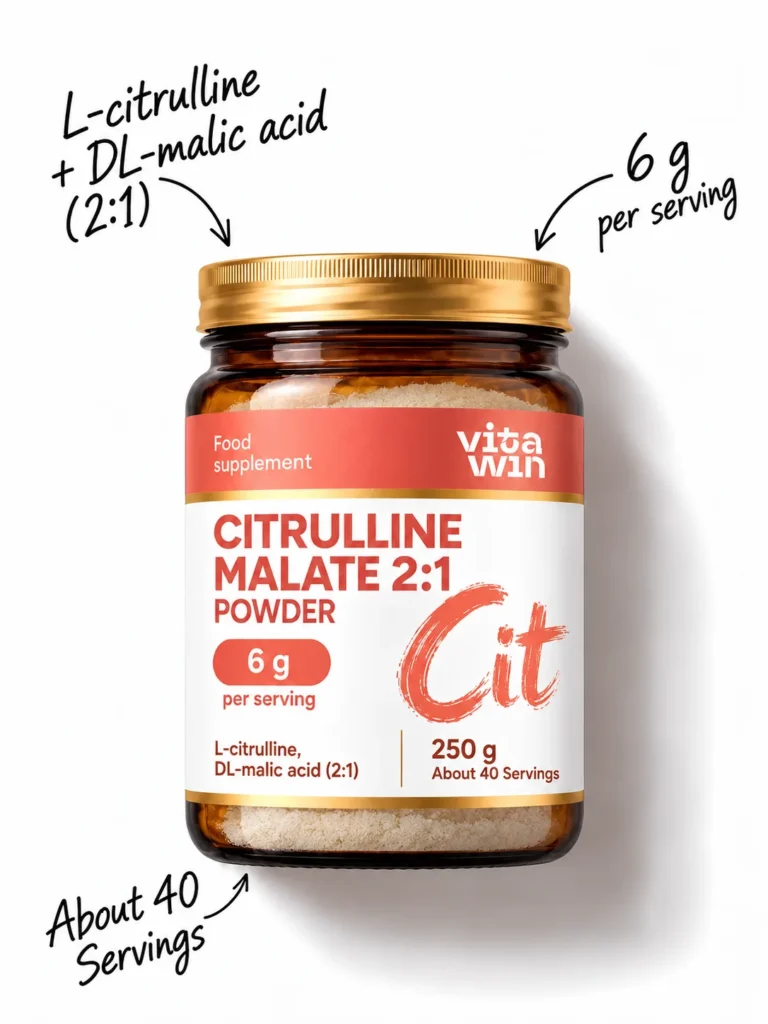
Citrulline Malate 2:1 Powder 250 g
L-citrulline and malic acid in a 2:1 ratio. Unflavoured, about 40 servings.
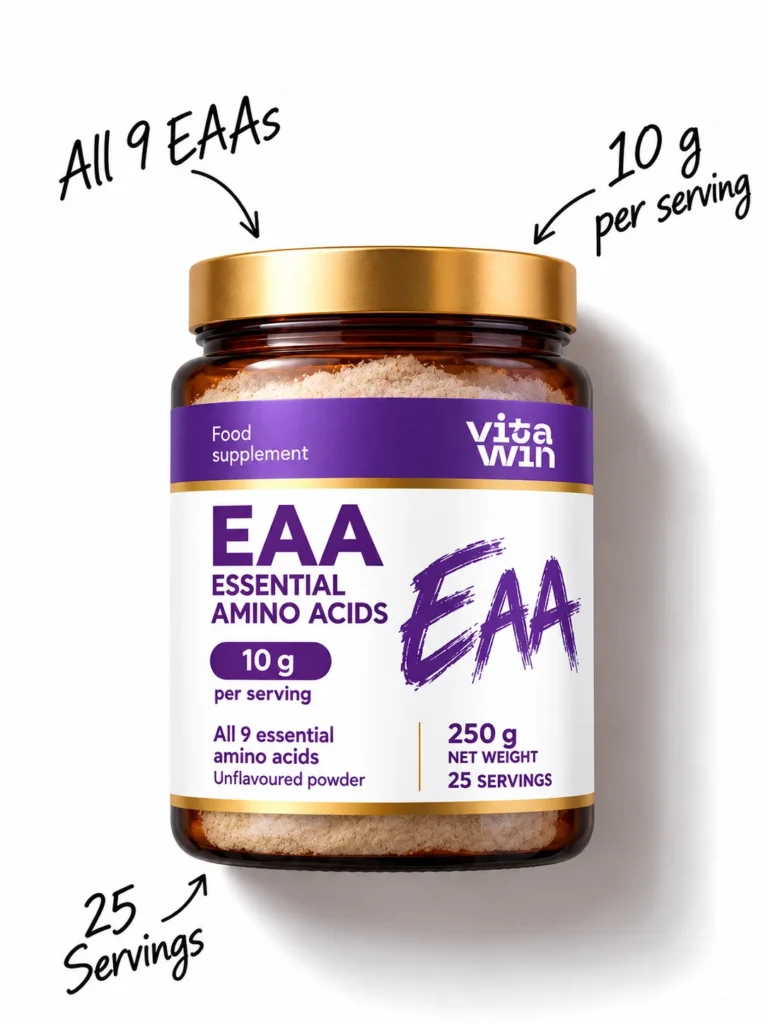
EAA Essential Amino Acids Powder 250 g
All nine essential amino acids in one unflavoured powder. 25 servings.
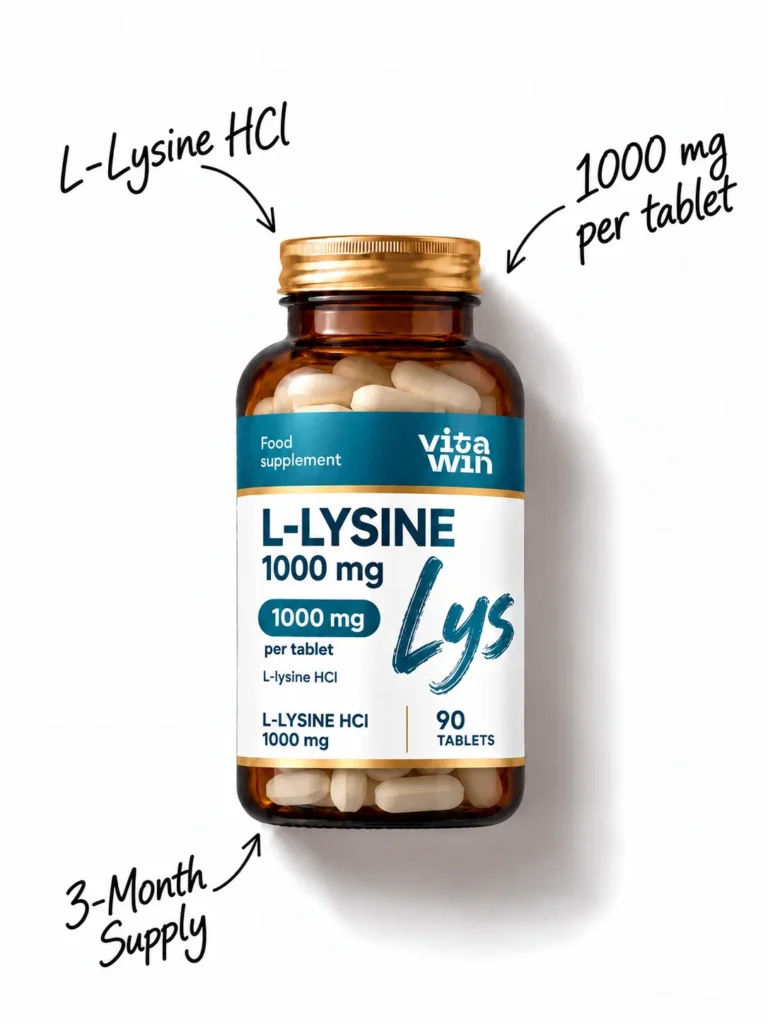
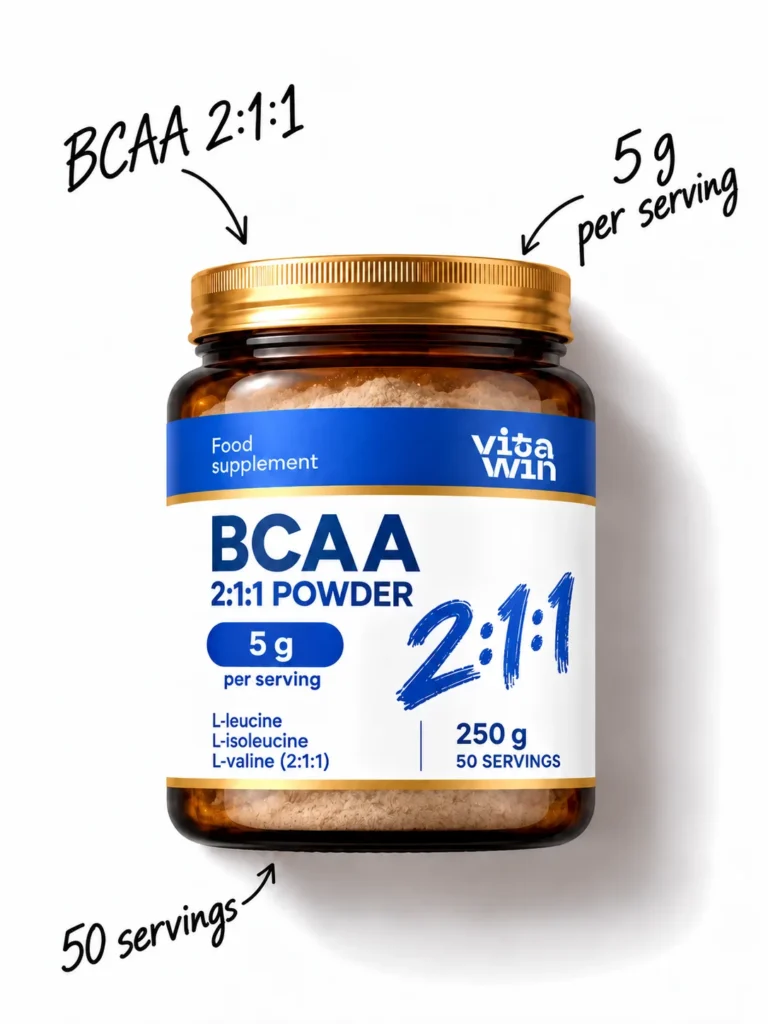
BCAA 2:1:1 Powder 250 g
Branched-chain amino acids leucine, isoleucine and valine in the classic 2:1:1 ratio. Unflavoured, 50 servings.