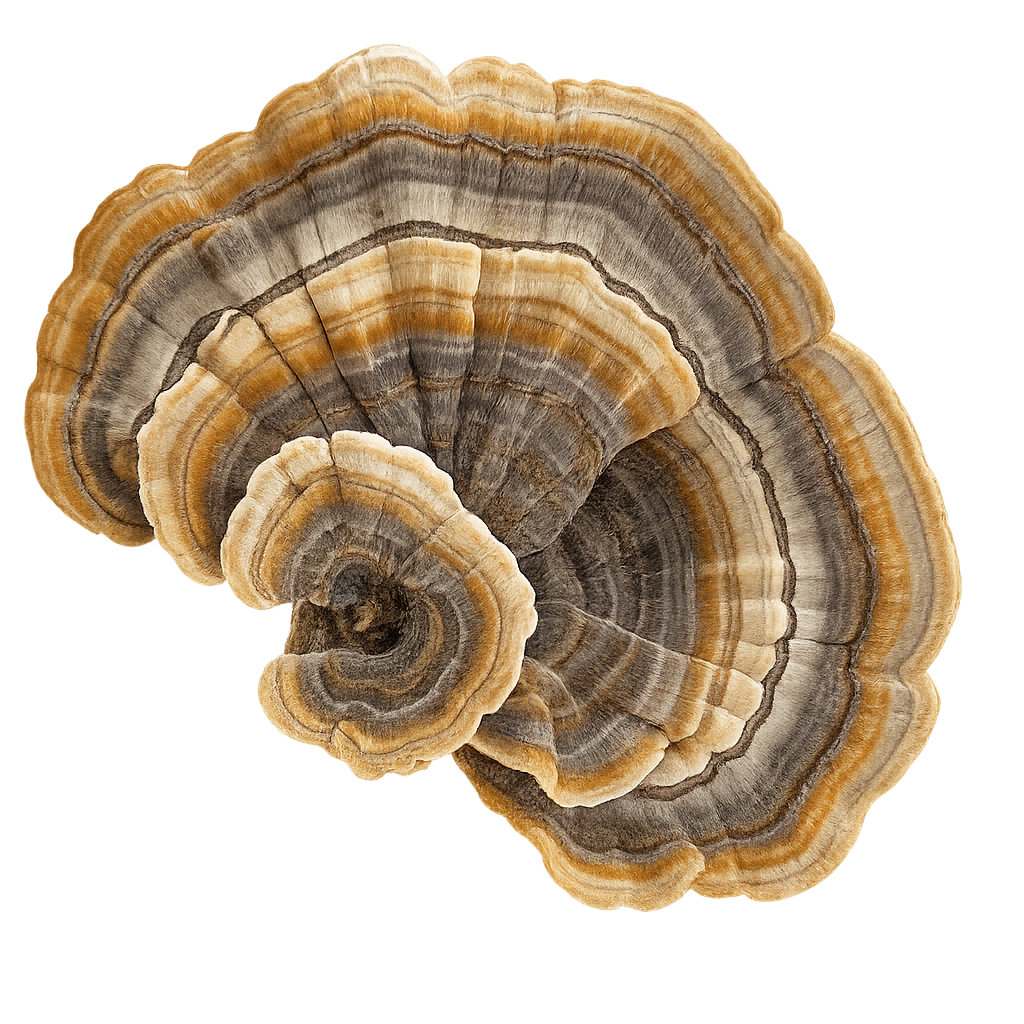
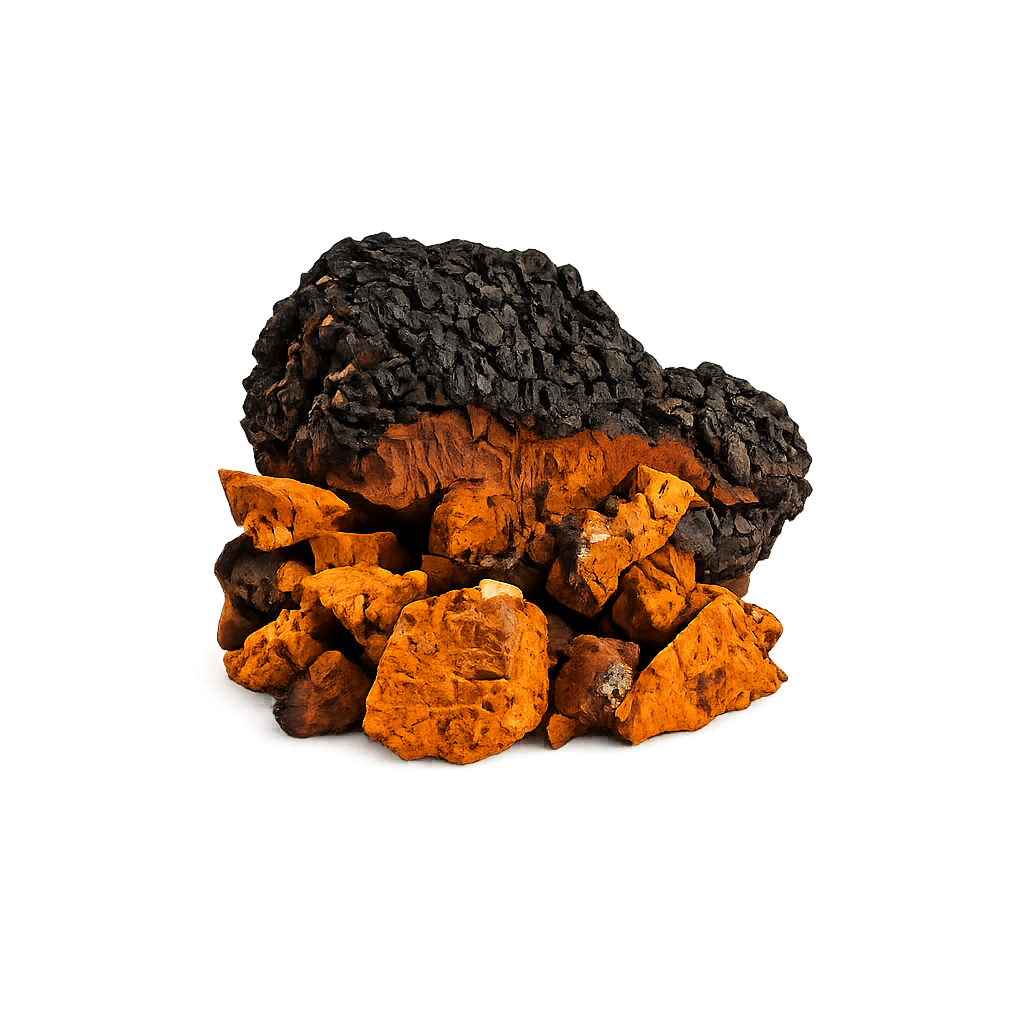
If you learn one thing before buying a mushroom supplement, make it this one. The difference between a fruiting-body product and grain-grown mycelium decides more about what is in the jar than the brand, the price or anything printed on the front of the label.
Two different things, both legally called mushroom
A fungus has two parts that get sold:
- The fruiting body — the mushroom itself. The thing you would recognise, harvest and cook.
- The mycelium — the thread network the fungus grows through its substrate before it fruits. Think of it as the organism’s root system.
Both are genuinely part of the fungus. The problem is not mycelium as such. It is how mycelium is produced for supplements, and what comes along with it.
What grain-grown mycelium actually is
Growing a fruiting body takes weeks and real infrastructure: sterilised substrate blocks, climate chambers with controlled temperature, humidity, light and air exchange, then harvest and drying.
Growing mycelium takes days and a bag of sterilised rice or oats. The culture spreads through the grain, and when it is done the mycelium is physically inseparable from what it grew on. So the whole block — mycelium plus grain — is dried and milled together.
The result is a powder that is largely starch. Estimates of the grain fraction in such products commonly run well above half. You are buying rice flour with fungal threads through it.
The label trick: polysaccharides vs beta-glucans
This is where it gets deliberate.
Starch is a polysaccharide. So are beta-glucans, the cell-wall compounds people actually buy mushroom supplements for. A test that measures “total polysaccharides” counts both — so a product that is mostly rice can honestly advertise a high polysaccharide number.
Read a label with this in mind and the pattern jumps out:
- “50% polysaccharides” on a mycelium product tells you very little. Much of that figure can be alpha-glucans — starch from the grain.
- “30% beta-glucans” is a specific claim about the compounds of interest, and it is measurable. A fruiting-body extract worth buying will state it.
If a product advertises polysaccharides and does not mention beta-glucans anywhere, assume there is a reason.
Where the compounds live
For lion’s mane specifically, the two parts contain different things, and this matters more than most marketing admits:
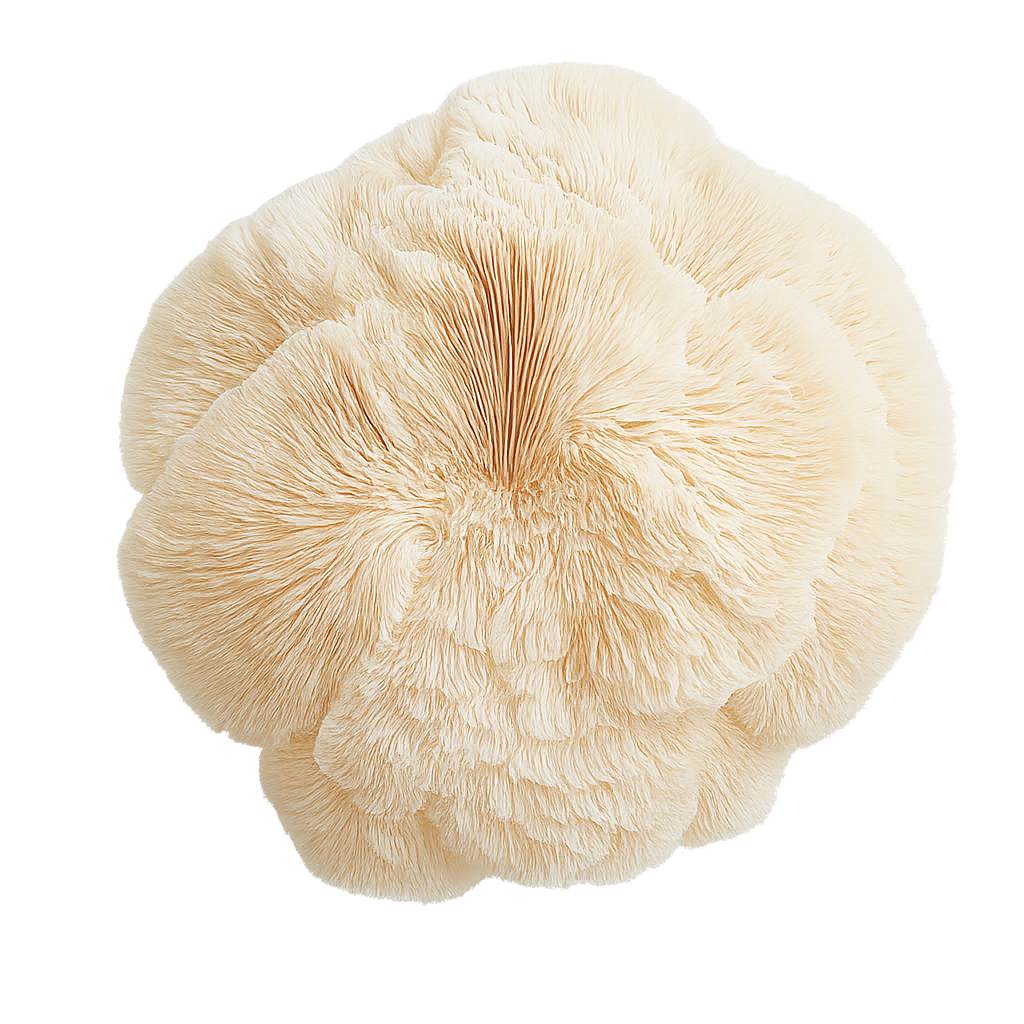
- Hericenones — aromatic compounds, found in the fruiting body.
- Erinacines — cyathane diterpenoids, found in the mycelium.
Both have been shown in cell cultures to stimulate nerve growth factor synthesis. So a label promising “hericenones and erinacines” from a single source is describing something that does not exist unless two raw materials were blended. Be suspicious of any product claiming both without explaining how.
The same nuance cuts the other way for the research. The longest human lion’s mane trial — 49 weeks — used a mycelium extract standardised to erinacine A. It is routinely cited to sell fruiting-body products, which is not a fair transfer. Honest positions on both sides: mycelium is not worthless, and fruiting-body products cannot borrow that trial’s results.
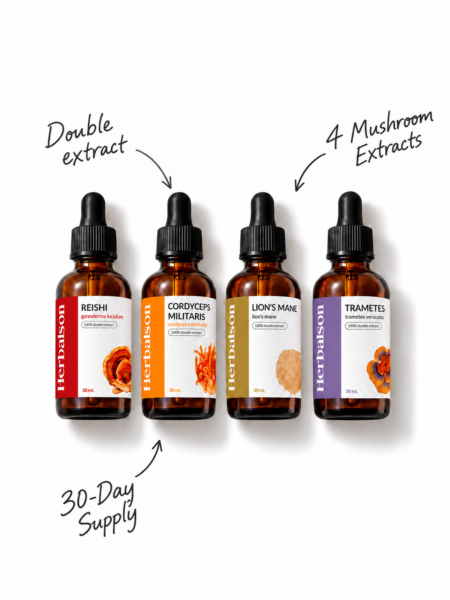
Double Extract Set: Lion's Mane, Cordyceps, Reishi & Turkey Tail | 4-Pack Tinctures
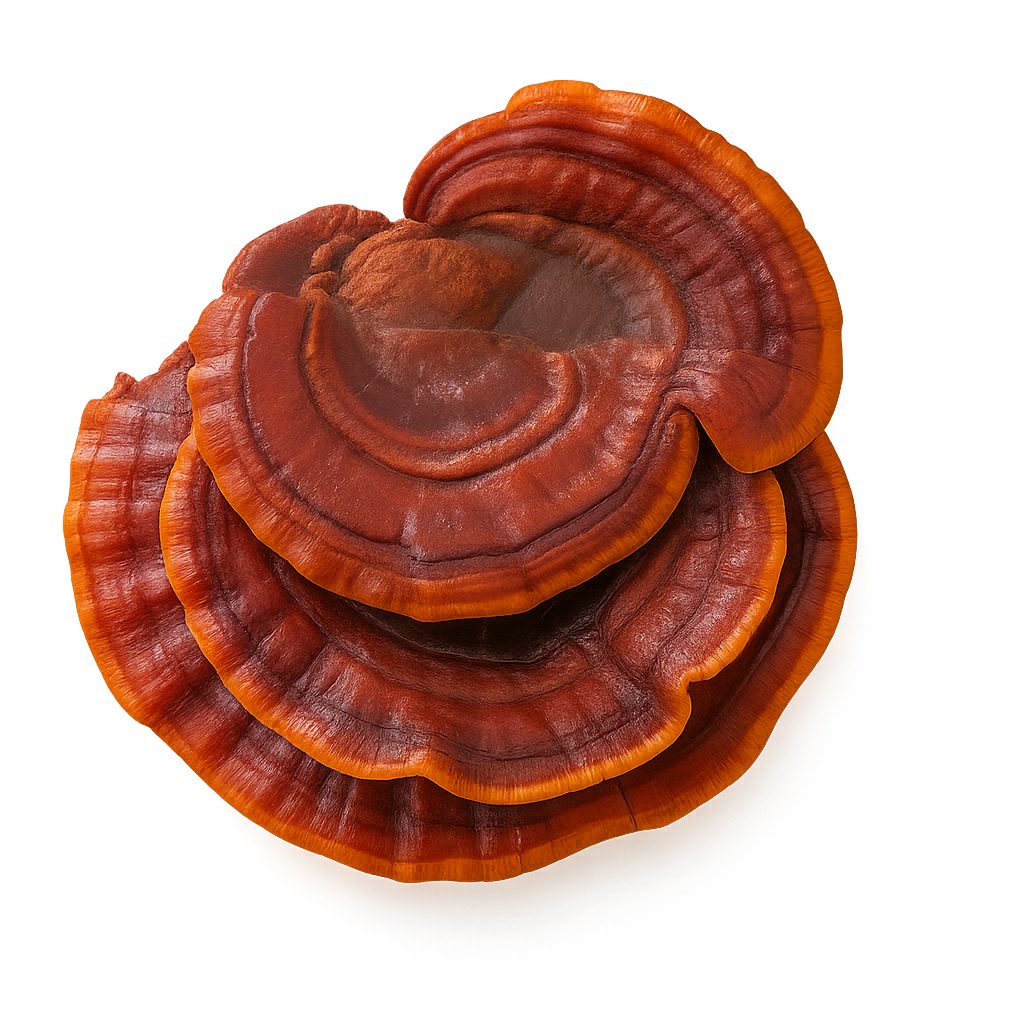
Complete Mushroom Tincture Set — Lion's Mane, Cordyceps, Reishi & Turkey Tail liquid double extracts (4×30ml). Each tincture is made through dual water + alcohol extraction to preserve the full spectrum of bioactive compounds. A comprehensive daily wellness protocol.
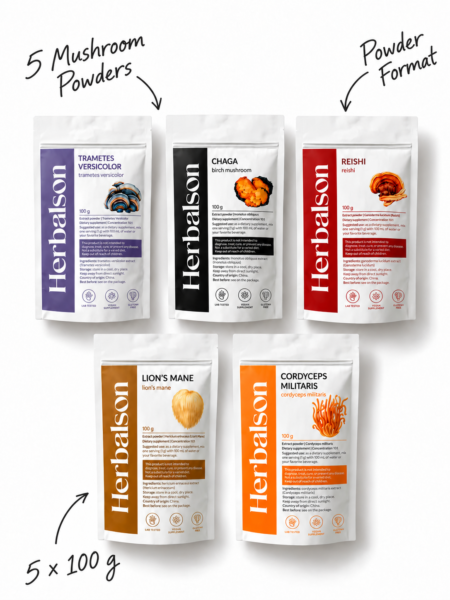
Mushroom Powder Set: Lion's Mane, Cordyceps, Reishi, Turkey Tail & Chaga | 5x100g
A complete set of 5 functional mushroom powders: Lion's Mane, Cordyceps, Reishi, Turkey Tail & Chaga (100g each). Perfect for smoothies, tea, or cooking. Each powder is made from whole fruiting bodies, dried and finely ground to preserve bioactive compounds.
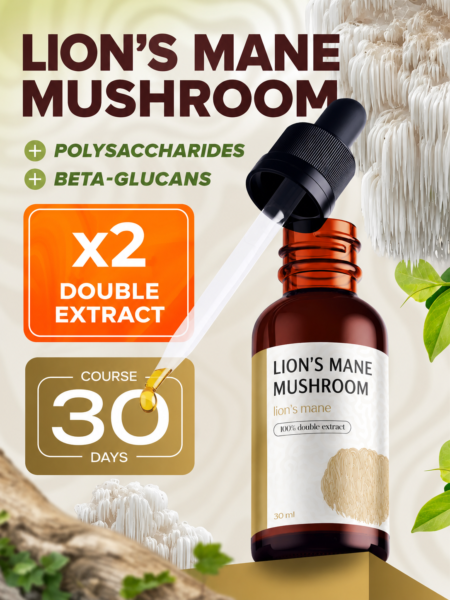
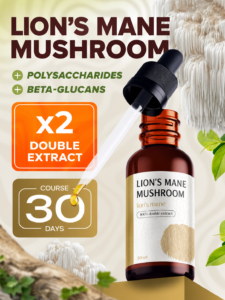
Lion's Mane Mushroom Double Extract 30ml | Brain & Memory Support | Hericium erinaceus Tincture
Potent dual-extraction lion's mane tincture combining water and alcohol extraction for maximum bioavailability of hericenones and beta-glucans. Supports cognitive function, nerve regeneration, and mental clarity. ! Non-alcohol
So is mycelium always bad?
No, and anyone telling you so is oversimplifying to sell you something.
The issue is not mycelium. It is mycelium sold with its grain substrate, described in a way that hides how much of the jar is rice. A mycelial extract, separated from the substrate and standardised to a named compound, is a legitimate product with real research behind it. It is also expensive and rare, which is exactly why most of the market is not selling that.
How to tell what you are holding
- Look for the part, named. “Hericium erinaceus, fruiting body” is a claim someone can be held to. “Lion’s mane mushroom powder” is not.
- Look for beta-glucans with a number. Not “polysaccharides”. Not “active compounds”.
- Look for “mycelial biomass” or “myceliated grain”. These phrases mean grain is in the product. In the US, “myceliated brown rice” is the usual wording.
- Check the serving size against the research. Trials used 1.8–3.2 g of dried fruiting-body powder daily. If a capsule is 500 mg of mycelium-on-grain, you are a long way from that even before the starch is deducted.
- Ask for the certificate of analysis. A real one covers beta-glucans, heavy metals and microbial load. Mushrooms accumulate metals from what they grow on, so where it was grown is a safety question too.
Why this is hard to see from the outside
Both products look identical as a brown powder in a capsule. Both can legally say “mushroom”. Both can cite the same studies, because the studies are about the species, not about anyone’s manufacturing.
The only reliable signals are the ones above — the named part, the beta-glucan figure and a lab report. Everything else on the packaging is design.
We grow fruiting bodies on our own farm and run the extraction ourselves, which is the only reason we can state what part of the mushroom went into a given bottle. Our lion’s mane double extract and the four-tincture set are both fruiting-body material. If a brand cannot tell you which part you are buying, it is usually because they bought a drum of powder from a trader and do not know either.
Common questions
Is mycelium on grain a scam?
Not in a legal sense — it is a real product and the label is often technically accurate. It becomes misleading when the polysaccharide figure is presented as evidence of potency and the grain content is never mentioned.
What beta-glucan percentage should I look for?
For a fruiting-body extract, somewhere in the 20–40% range is typical depending on the extraction. Below roughly 10%, ask what the rest is.
Does this apply to all five functional mushrooms?
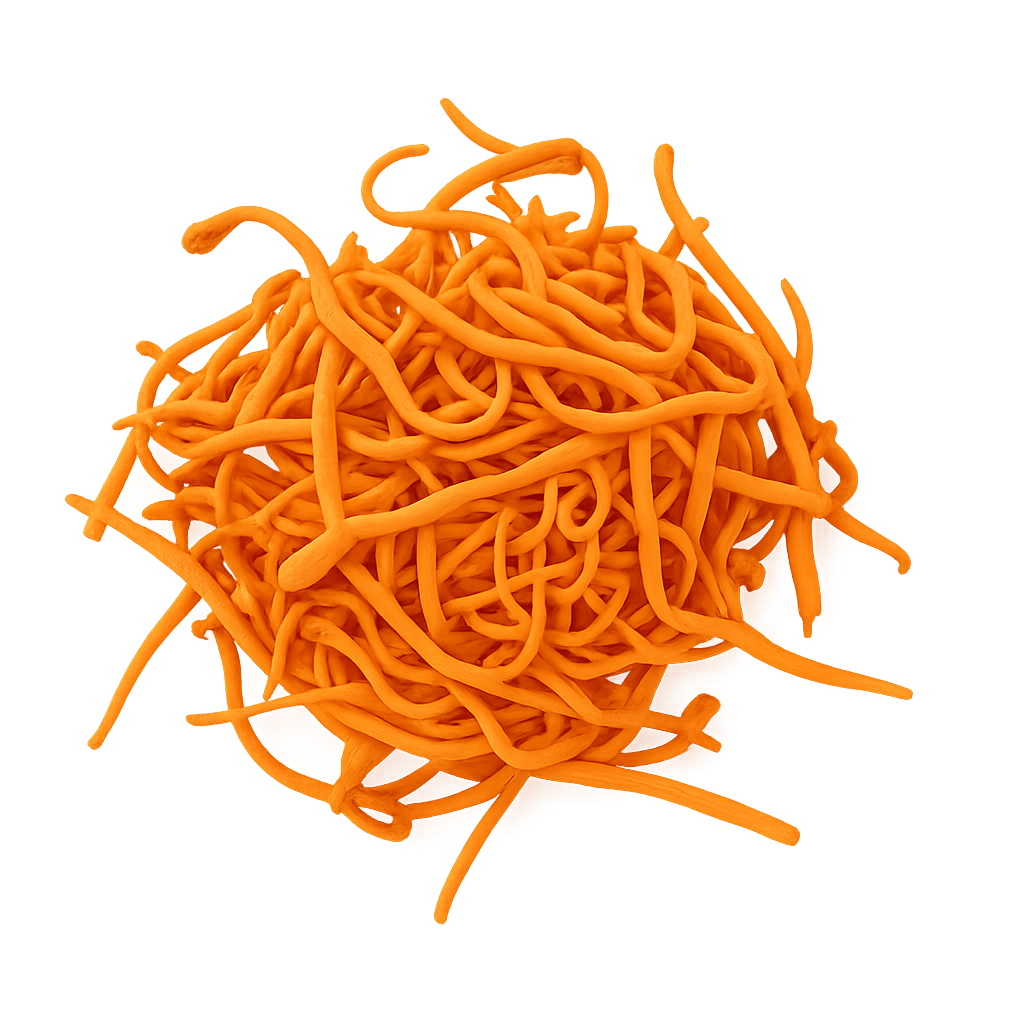
Yes. Cordyceps is the worst offender after lion’s mane — most “cordyceps” on the market is grain-grown mycelium, because real Cordyceps militaris fruiting bodies are difficult to cultivate.
Is a tincture automatically fruiting body?
No. Format tells you nothing about source material. A tincture can be made from mycelium just as easily.