- Own production
- Clean ingredients
- GMP certified
- Made in Europe
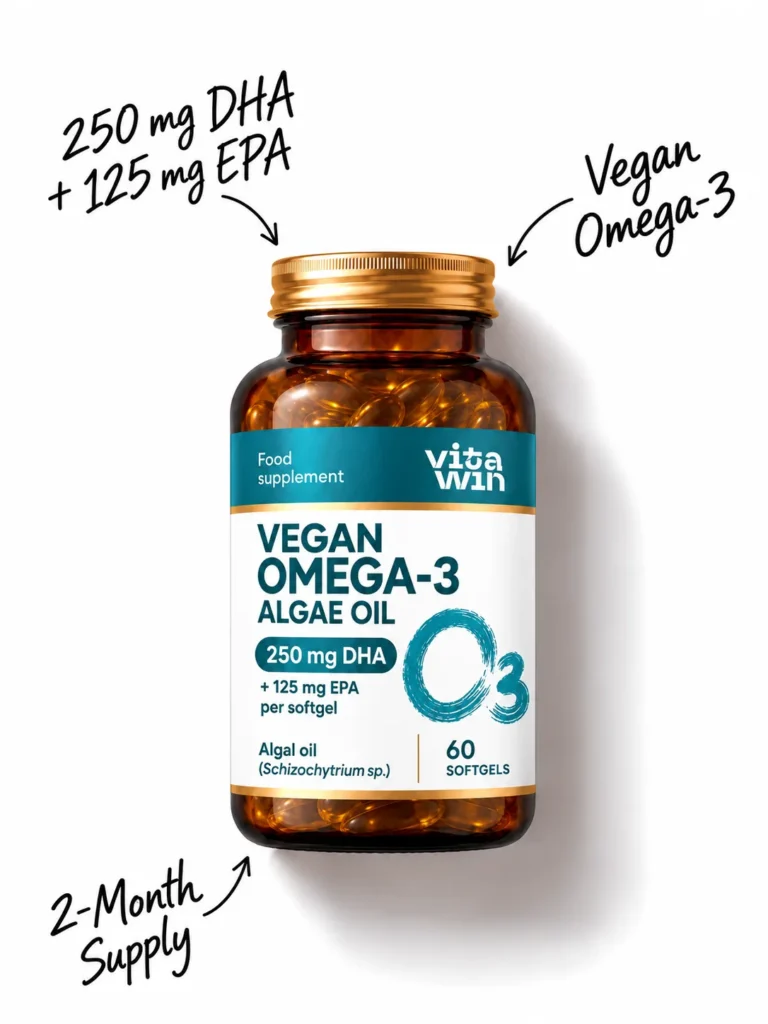
Vegan Omega-3 Algae Oil Softgels
Plant-based omega-3 from algae oil, with DHA and EPA, in vegan softgels.
- DHA contributes to maintenance of normal brain function
- DHA contributes to maintenance of normal vision
- Plant-based, fish-free omega-3
$10.90
1
Delivery in 5-10 days Tracked, worldwide14-day returns No questions askedPayment Visa, Mastercard, Amex
Frequently bought together
−10% for the set This itemVegan Omega-3 Algae Oil Softgels$10.90
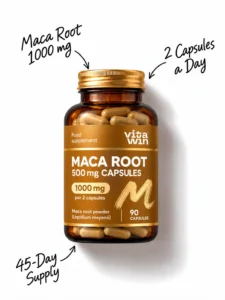
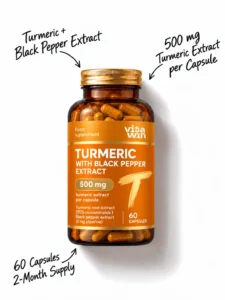
Total for 3 items
$21.33$23.70
You save $2.37
Discount applies automatically in the cart
250 mg
per serving
per serving
Vegan softgel
1 softgel a day
2 months
supply
supply
HOW TO TAKE
Take 1 softgel a day with a meal.
SPECIFICATIONS
| Active ingredient | Algal oil (Schizochytrium sp.) |
| Per serving | 250 mg DHA, 125 mg EPA |
| Form | Vegan softgel |
| Quantity | 60 softgels |
| Serving | 1 softgel a day |
| Supply | 2 months |
| SKU | vegan-omega-3 |
PRODUCT FAQ
Is it really vegan?
Yes, the oil comes from algae and the softgel shell is plant-based.
Is it as good as fish oil?
It provides the same long-chain omega-3s, DHA and EPA.
About this product
Vegan Omega-3 Algae Oil Softgels — full description
You might also like
Related products
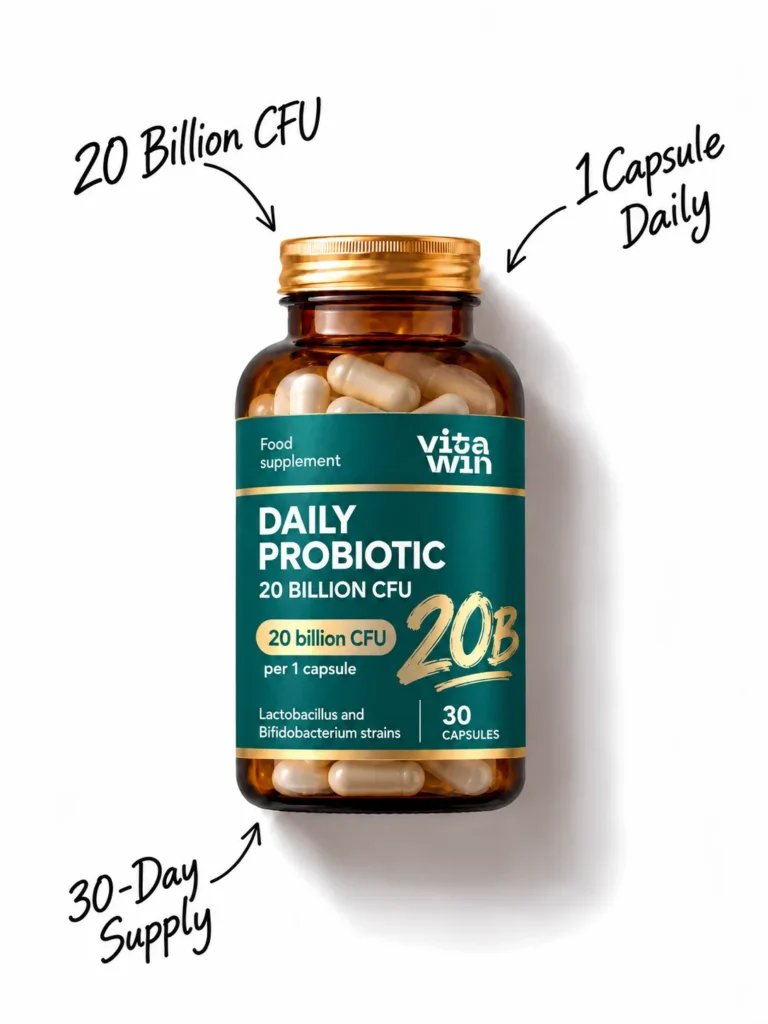
Daily Probiotic 20 Billion CFU Capsules
A multi-strain probiotic with 20 billion live cultures per capsule.

Collagen Peptides Powder 300 g
Hydrolysed bovine collagen peptides (types I and III). Unflavoured, dissolves in hot or cold drinks.
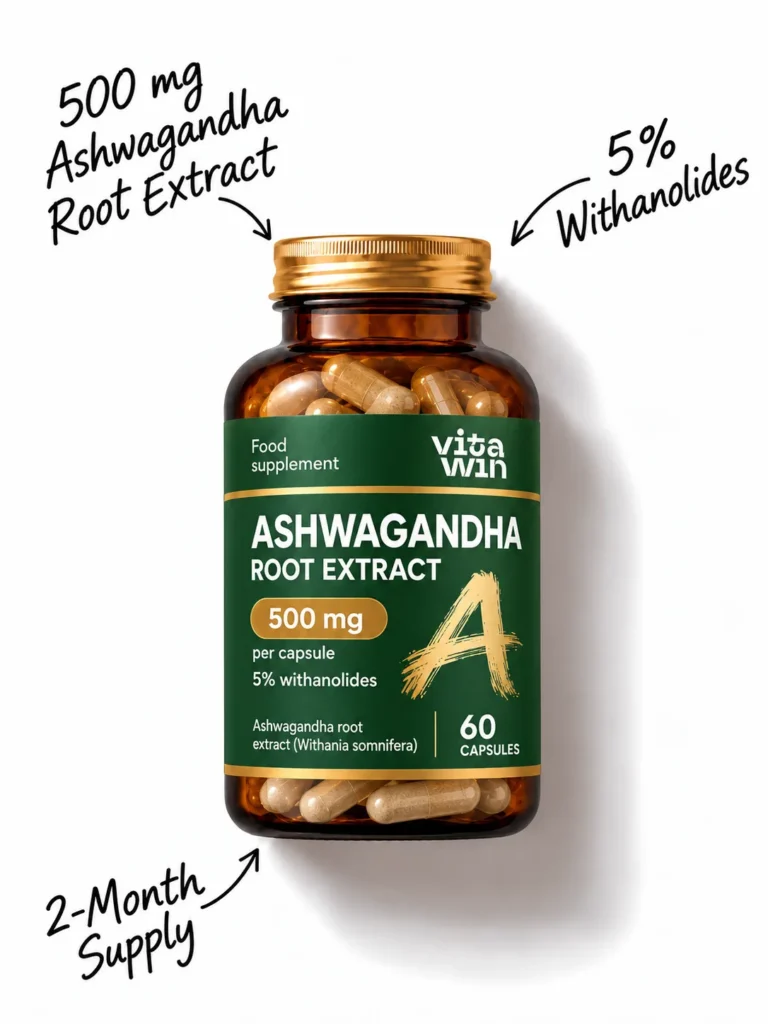
Ashwagandha Root Extract 500 mg Capsules
Ashwagandha (Withania somnifera) root extract, 500 mg per capsule, standardised for withanolides.