- Own production
- Clean ingredients
- GMP certified
- Made in Europe
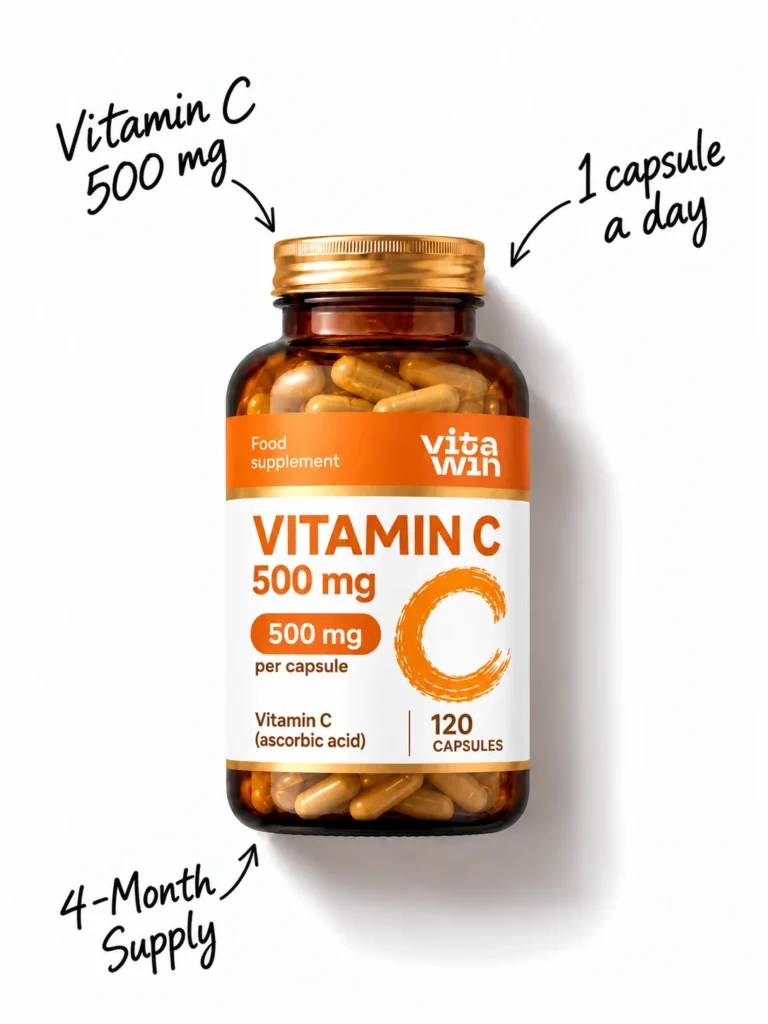
Vitamin C 500 mg Capsules
Vitamin C (ascorbic acid) 500 mg per capsule. A simple everyday vitamin C, four months of one a day.
- Vitamin C contributes to the normal function of the immune system
- Contributes to normal collagen formation for skin
- Helps reduce tiredness and fatigue
- Increases iron absorption
$4.90
1
Delivery in 5-10 days Tracked, worldwide14-day returns No questions askedPayment Visa, Mastercard, Amex
Frequently bought together
−10% for the set This itemVitamin C 500 mg Capsules$4.90
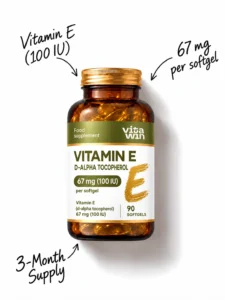
Total for 3 items
$18.63$20.70
You save $2.07
Discount applies automatically in the cart
500 mg
per serving
per serving
Capsule
1 capsule a day
4 months
supply
supply
HOW TO TAKE
Take 1 capsule a day with water, preferably with a meal.
SPECIFICATIONS
| Active ingredient | Vitamin C (ascorbic acid) |
| Per serving | 500 mg |
| Form | Capsule |
| Quantity | 120 capsules |
| Serving | 1 capsule a day |
| Supply | 4 months |
| SKU | vitamin-c |
PRODUCT FAQ
Can I take two a day?
Stick to the recommended dose unless advised otherwise. High doses of vitamin C can upset the stomach.
Does it go with iron?
Yes, vitamin C increases iron absorption, so they are often taken together.
About this product
Vitamin C 500 mg Capsules — full description
You might also like
Related products
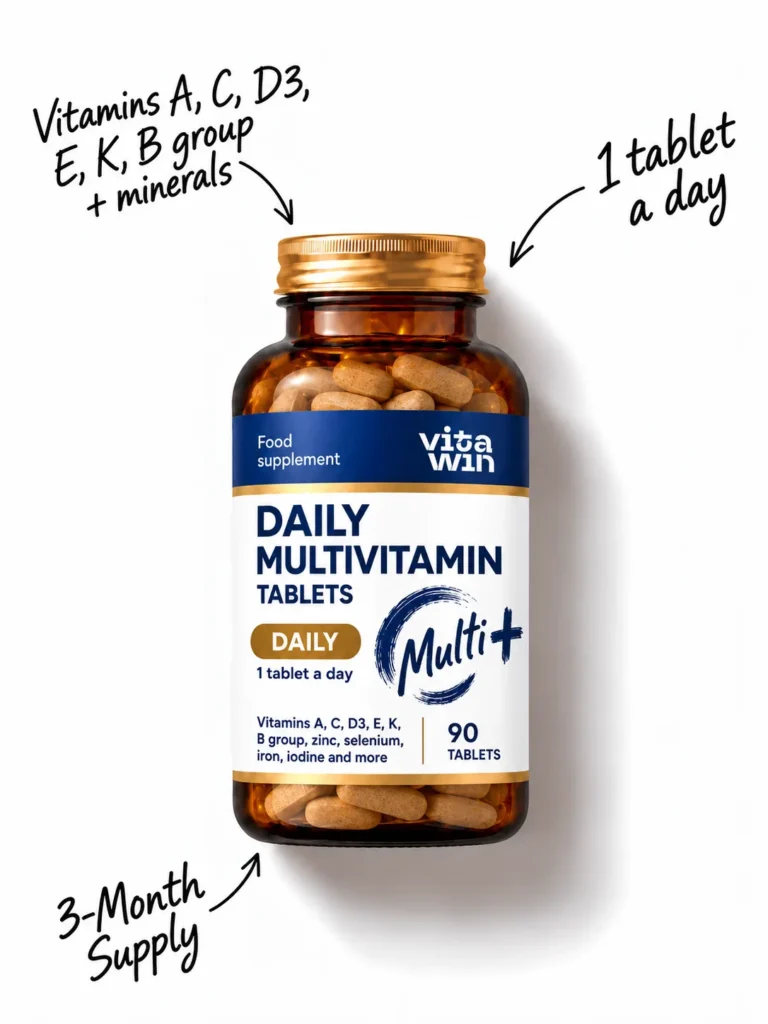
Daily Multivitamin Tablets
An A-to-Z daily multivitamin and mineral tablet for adults. One a day.
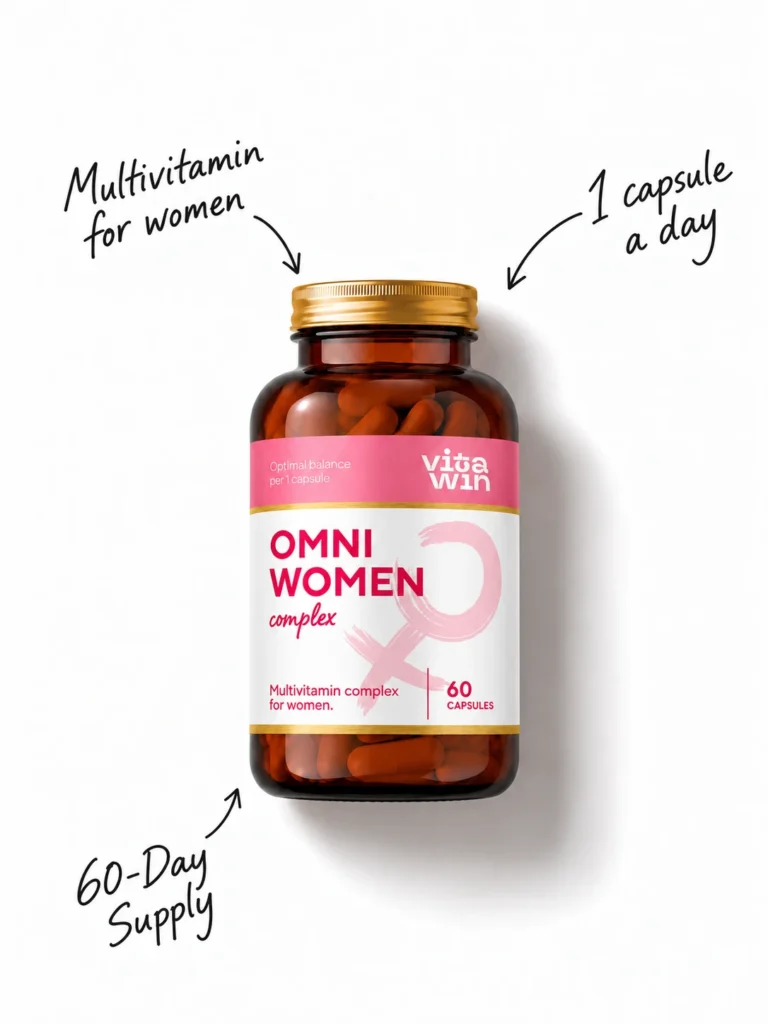
Multivitamin for Women Capsules
A daily multivitamin and mineral capsule formulated for women, with iron, folic acid and vitamin D3.
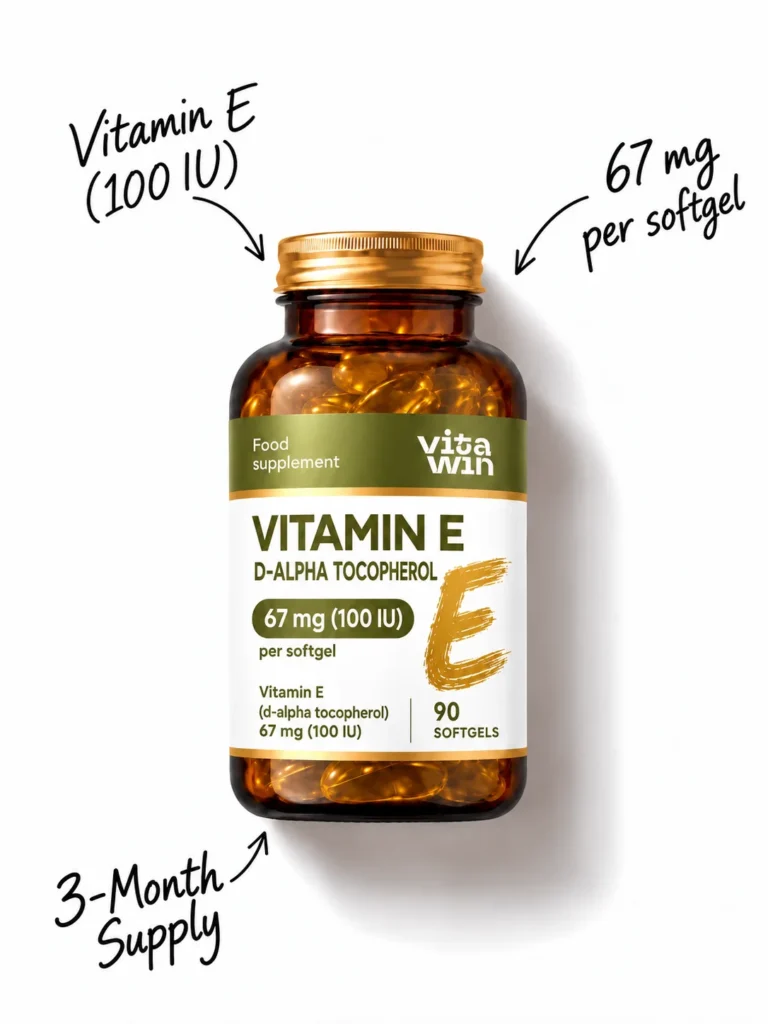
Vitamin E 100 IU Softgels
Natural-source vitamin E (d-alpha tocopherol), 67 mg (100 IU) per softgel.