- Own production
- Clean ingredients
- GMP certified
- Made in Europe
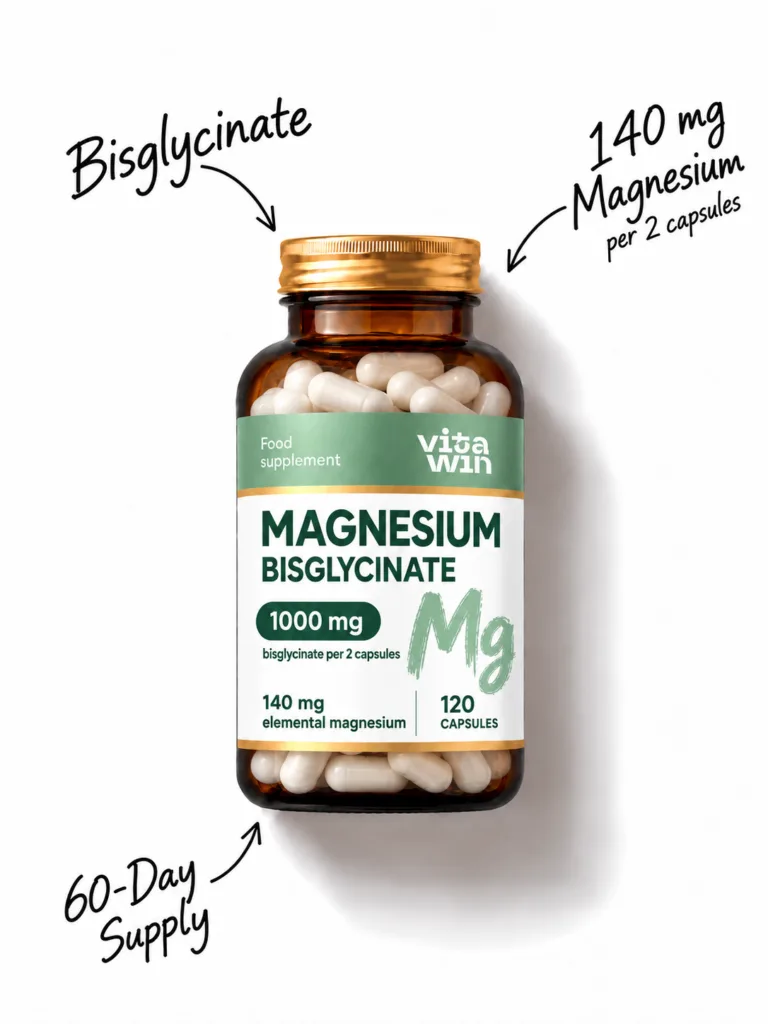
Magnesium Bisglycinate 1000 mg Capsules
Magnesium bisglycinate, 1000 mg per serving (140 mg elemental magnesium). A gentle, well-tolerated form for the evening.
- Magnesium contributes to the reduction of tiredness and fatigue
- Supports normal muscle function
- Supports normal function of the nervous system
- Gentle bisglycinate form
$24.90
1
Delivery in 5-10 days Tracked, worldwide14-day returns No questions askedPayment Visa, Mastercard, Amex
Frequently bought together
−10% for the set This itemMagnesium Bisglycinate 1000 mg Capsules$24.90
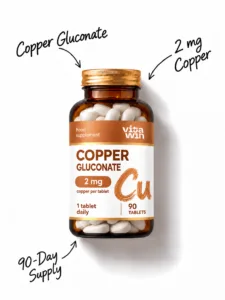
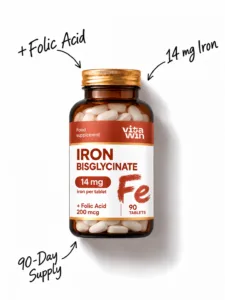
Total for 3 items
$43.01$47.79
You save $4.78
Discount applies automatically in the cart
1000 mg
per serving
per serving
Capsule
2 capsules a day
2 months
supply
supply
HOW TO TAKE
Take 2 capsules a day with water, ideally in the evening.
SPECIFICATIONS
| Active ingredient | Magnesium bisglycinate |
| Per serving | 1000 mg (140 mg elemental magnesium) |
| Form | Capsule |
| Quantity | 120 capsules |
| Serving | 2 capsules a day |
| Supply | 2 months |
| SKU | magnesium-bisglycinate |
PRODUCT FAQ
Why bisglycinate?
It is well absorbed and gentle on the stomach, with a lower laxative effect than citrate or oxide.
Why take it in the evening?
Many people find magnesium fits naturally into a wind-down routine.
About this product
Magnesium Bisglycinate 1000 mg Capsules — full description
You might also like
Related products
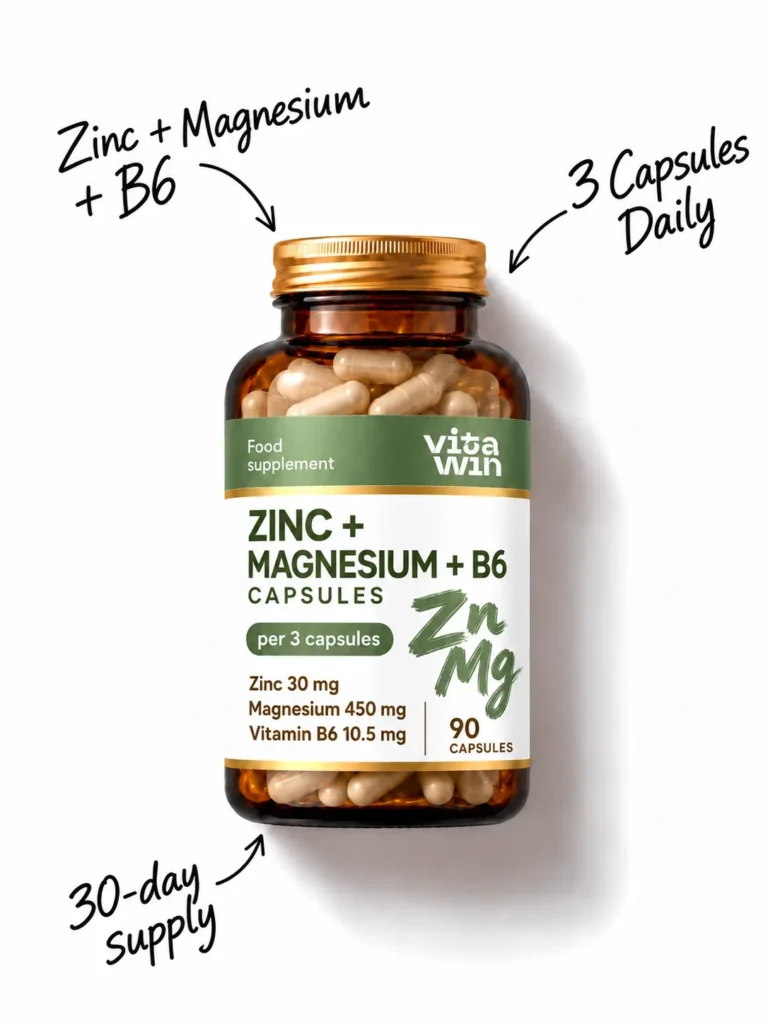
Zinc + Magnesium + B6 Capsules
Zinc, magnesium and vitamin B6 in one evening capsule, popular with people who train.
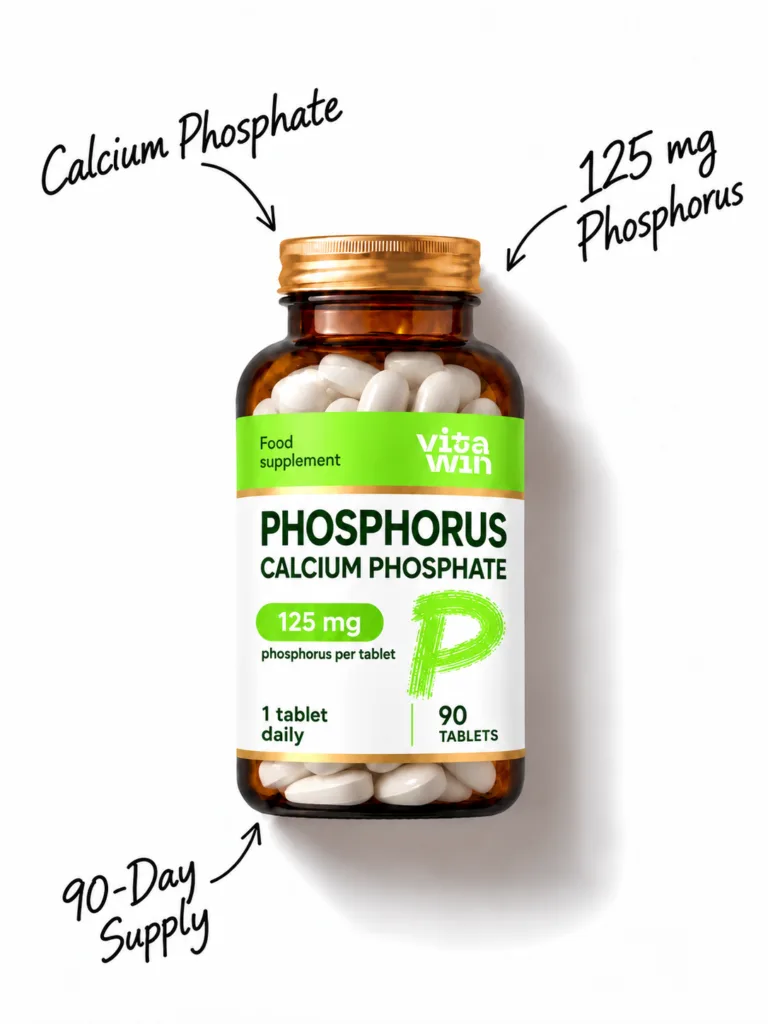
Phosphorus 125 mg (Calcium Phosphate) — 90 Tablets
Phosphorus 125 mg as calcium phosphate in a daily tablet. 90 tablets, a three-month supply.
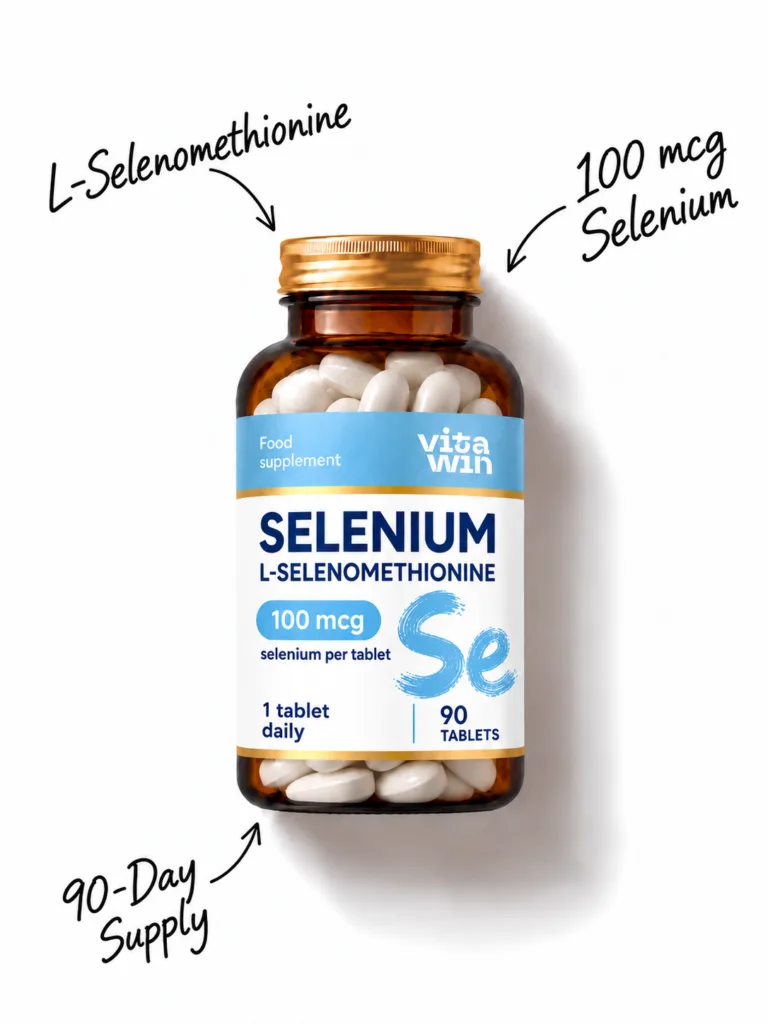
Selenium 100 mcg (L-Selenomethionine) — 90 Tablets
Selenium 100 mcg as L-selenomethionine in a daily tablet, one a day. 90 tablets, a three-month supply.
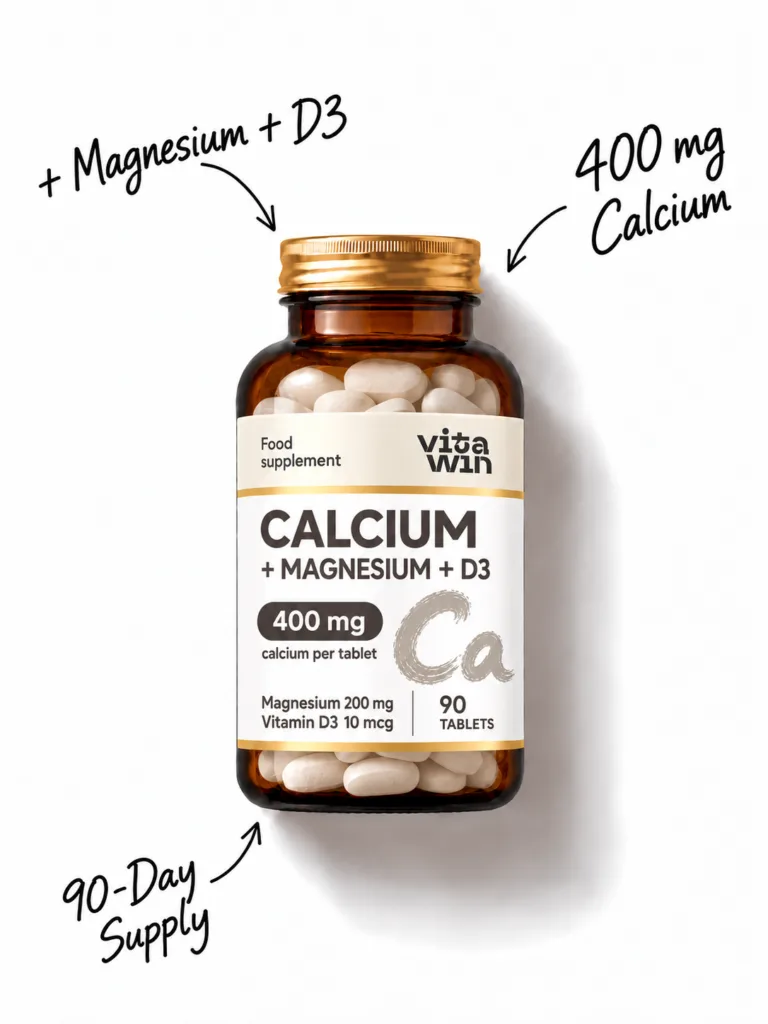
Calcium + Magnesium + D3 Tablets
Calcium, magnesium and vitamin D3 in one tablet, a classic combination for bones.